Pesticide residues in market vegetables fuel Kenyan food-safety alarm
Key points
- Consumers and vendors report growing fear of pesticide residues after studies found chemicals above recommended limits in market vegetables.
- Eastleigh mother and vendor Samira Aziz says food used to be healthier and tomatoes no longer taste like tomatoes.
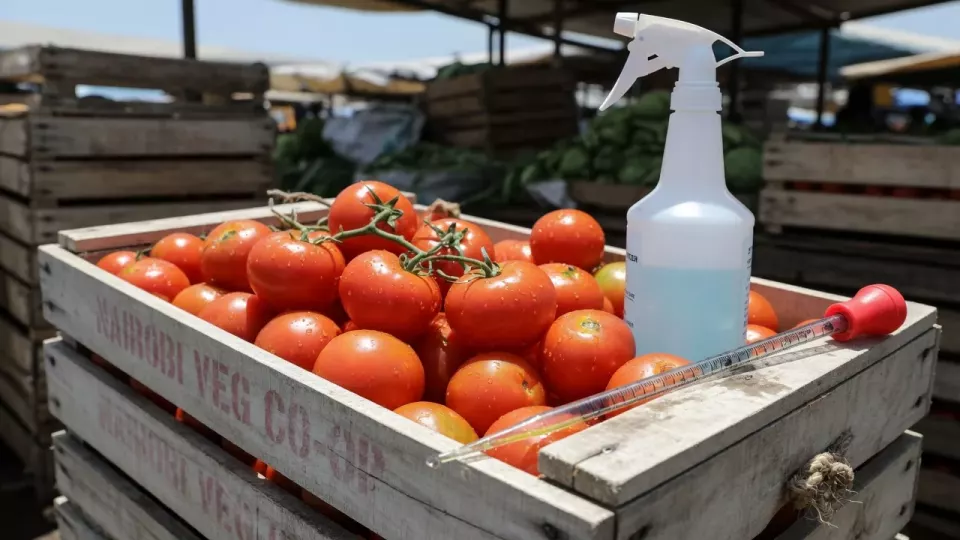
- Related research streams have flagged tomatoes as especially likely to carry unsafe residues and found high residue rates in Nairobi and Nakuru samples.
- Health messaging stresses thorough washing; researchers also explore better residue-removal methods.
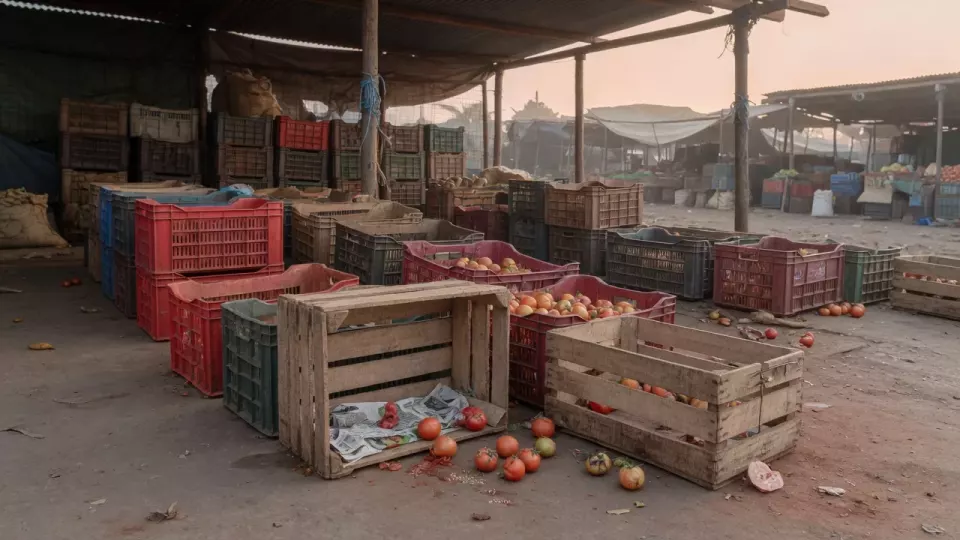
For Eastleigh vendor and mother Samira Aziz, the dinner question is no longer only price — it is whether the sukuma and tomatoes on her stall still carry farm chemicals after washing, Eastleigh Voice reported amid a wave of residue studies.
“Food used to be healthier… Nowadays, even vegetables do not taste the way they used to. Even tomatoes do not taste like tomatoes anymore,” she said, recalling manure-heavy farming before chemical fertilisers and sprays became routine. Researchers and earlier market surveys have put tomatoes among the riskiest crops for residues over recommended limits, with high positive rates reported in Nairobi and Nakuru sampling streams.
From farm spray to kitchen sink
The Health ministry has urged thorough washing of produce. Separate research tracks methods that remove more residue than a quick rinse. For traders, fear is commercial: customers who stop trusting greens stop buying. For farmers, the pressure is dual — pests demand chemicals, and export/domestic standards demand restraint and registered active ingredients only.
Health desk: Health. Verified consumer voices and study-linked concern from Eastleigh Voice; specific lab percentages vary by study release and should be read from primary papers.
Counties should publish spray calendars and market spot-checks. Without enforcement of registration rules, washing advice alone will not rebuild trust.
Shoppers can diversify suppliers and peel where appropriate — but structural safety needs extension officers and residue labs, not only kitchen tips.
Official gazettes, court rulings and agency circulars may update these facts after publication; readers should verify any deadline, fee or court date against primary sources before acting.
Official gazettes, court rulings and agency circulars may update these facts after publication; readers should verify any deadline, fee or court date against primary sources before acting.
Based on Eastleigh Voice consumer and study coverage. Laboratory results are as published in cited research; practices vary by farm.