Why Nairobi’s modernisation drive stumbles despite bold transport plans
Key points
- Planner Jacob Otsieno says urban highways are ill-suited to fix core mobility problems.
- Nairobi’s modernisation narrative collides with congestion, sprawl and weak public transit.
- Global city lessons favour mass transit, walking and demand management over endless lanes.
- Commuters will judge delivery by door-to-door time, not ribbon-cut interchange photos.
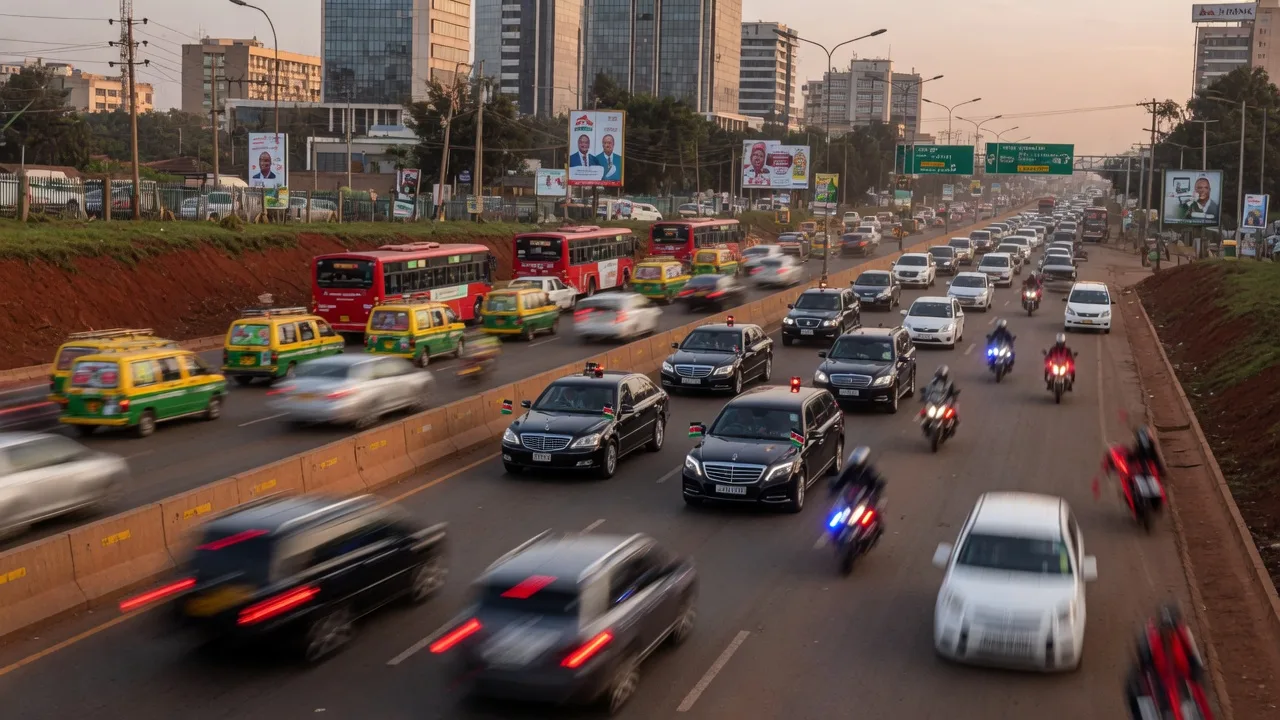
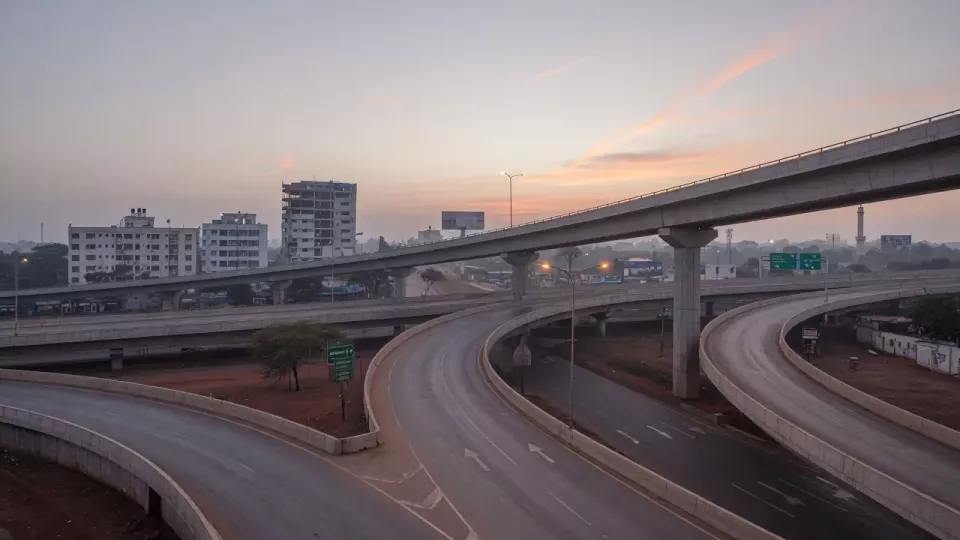
More tarmac can be a slower city in disguise. Eastleigh Voice reports on why Nairobi’s modernisation drive faces hurdles despite bold transport plans, citing urban planner Jacob Otsieno that global experience shows urban highways are ill-suited to solve pressing mobility issues and that Nairobi should learn before pouring another generation’s debt into flyovers alone.
Induced demand is not ideology; it is traffic engineering. Widen a corridor, fill it, demand another. Meanwhile walking environments stay hostile, matatu stages chaotic, and BRT or commuter rail fragments struggle for right-of-way against private cars and political timelines.
What bold plans keep missing
Land-use reform that stops forcing 30-kilometre commutes. Parking pricing that tells the truth about CBD space. Safe sidewalks and crossings near markets and schools. Freight rules that keep container trucks off peak passenger spines. Integration fares across modes so a worker is not punished for transferring.
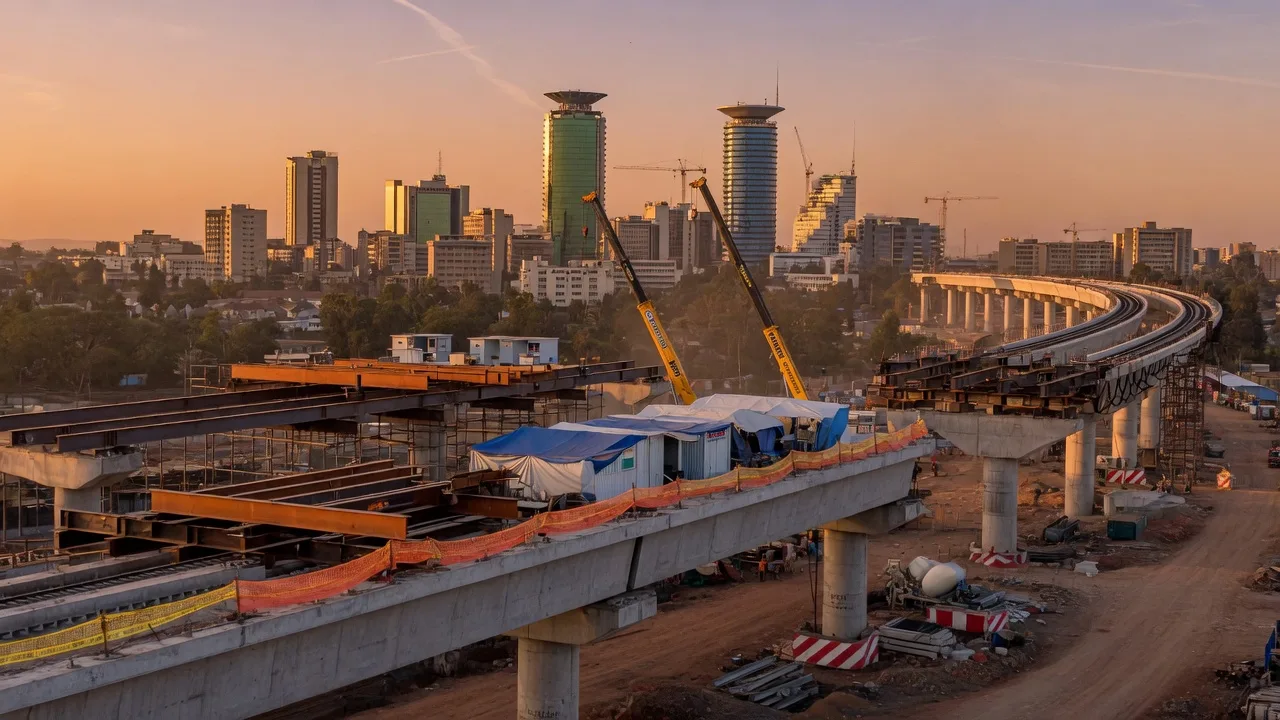
Judicial and procurement fights over mega-projects — including rail corridors already in court — show process risk is now part of the transport budget. Concrete without participation becomes an injunction.
Who pays for the wrong model
The poor pay in time and lungs; the middle class pays in fuel; the state pays in interest. Air quality and crash deaths are transport outcomes too. Related mobility stories sit under energy and transport.
County and national agencies should publish a simple dashboard: average peak travel times on key corridors, bus lane kilometres enforced, sidewalk kilometres built, and crash rates. Without those, “modernisation” is branding.
A practical reset
Prioritise projects that move the most people per shilling. Pilot congestion tools before the next interchange. Listen to matatu SACCOs as operators, not only as problems. Nairobi can still choose a transit city; highways alone will not choose it for us.
Investors in logistics and ride-hail also shape Nairobi’s streets; their curb management and data-sharing with county planners should be negotiated as public goods. A modernisation agenda that ignores the walking majority will keep failing the people who already pay the highest time tax.
Based on Eastleigh Voice reporting of expert critique of Nairobi transport modernisation and urban highway limits. Planning opinions should be weighed against official master plans and traffic data.