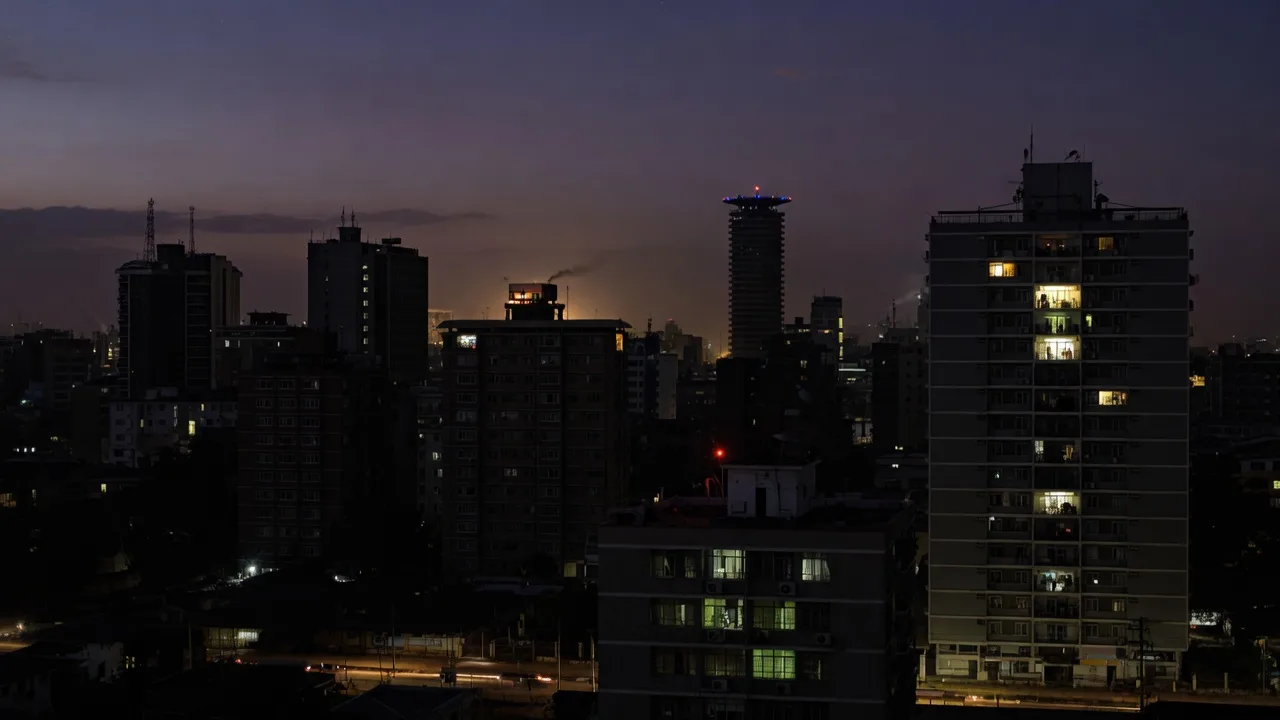
Power Supply Quality Queried After Kenya’s Major Blackout
Key points:
- Major blackouts revive questions about grid reliability and quality.
- Businesses count losses from downtime and equipment stress.
- Transparent post-mortems build more trust than blame games.
After the dark
The quality of Kenya’s power supply is under query after a major blackout, The Standard reported, shifting debate from megawatts alone to voltage stability, outage frequency and restoration speed.
Manufacturers and SMEs price unreliable power into generators and lost shifts. Households price it into ruined appliances and frustration.
Quality vs capacity
Kenya Power and system operators owe the public a clear technical narrative after multi-region events—root cause, not only “teams on site.”
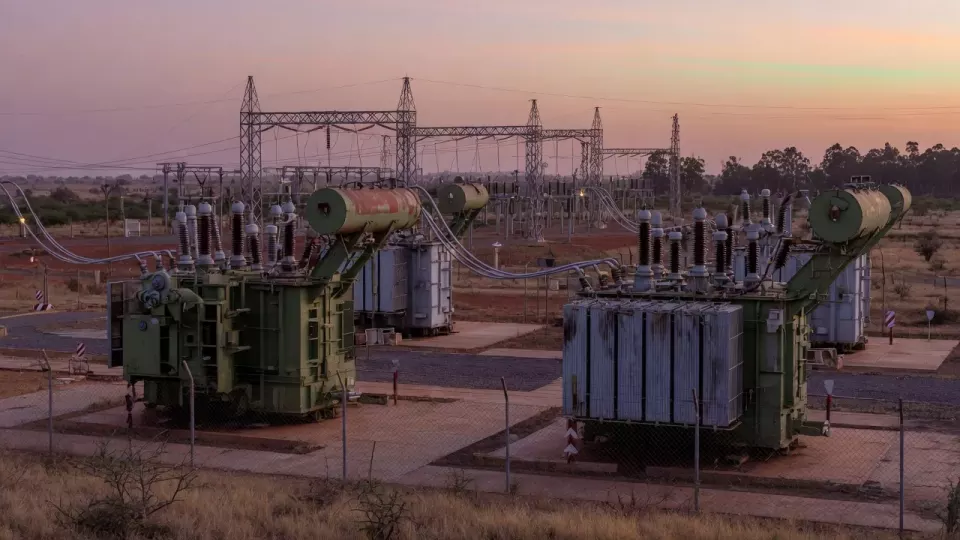
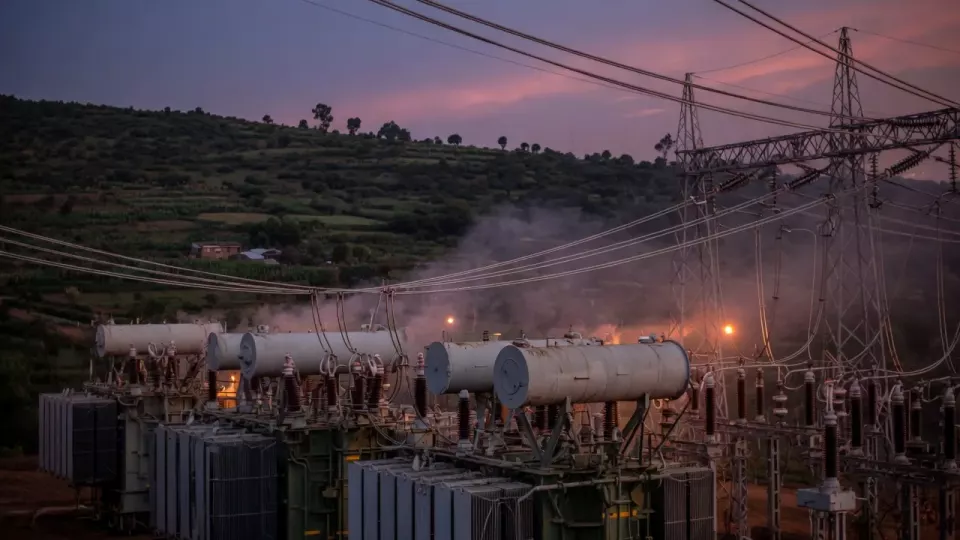
Investment in transmission, distribution maintenance and demand management is less glamorous than new plants but often more decisive.
Reliability is industrial policy.
Further reporting and official statements may refine figures and timelines; ZaKenya will update this story when primary sources publish material new facts. Readers should treat early political claims as contested until corroborated by documents or multiple independent outlets.
Sources: The Standard business/energy, late July 2026.
For readers tracking this story, the reliable next step is to separate what has already been verified in the published account from what still depends on official follow-up — court filings, agency circulars, company statements or county budget lines. Where the original report lists institutions, named officers or dollar/shilling figures, those anchors remain the ceiling of what can be stated without fresh primary documents.
Process matters as much as the headline. Affected residents, businesses or claimants should keep reference numbers, payment receipts, OB entries or written correspondence where relevant, and should treat social-media summaries as secondary until they match an official update. Journalists and civic monitors will look for the next scheduled hearing, disbursement batch, regulatory notice or implementation timeline rather than for recycled opinion.
Stakes for the public are practical: service delivery, legal rights, money, safety or market access. If later official numbers revise an early tally, the later figure controls. This expansion does not add new statistics, new quotes or new named actors beyond those already present in the article body above; it only clarifies how to read the existing facts and what to watch next without inventing outcomes.
Service and consumer angles turn on written rules: contracts, tariffs, circulars and statutory timelines. Users should confirm current guidance on the operator’s or regulator’s official channel before acting on a news paraphrase, especially where fees, penalties or emergency obligations are involved.