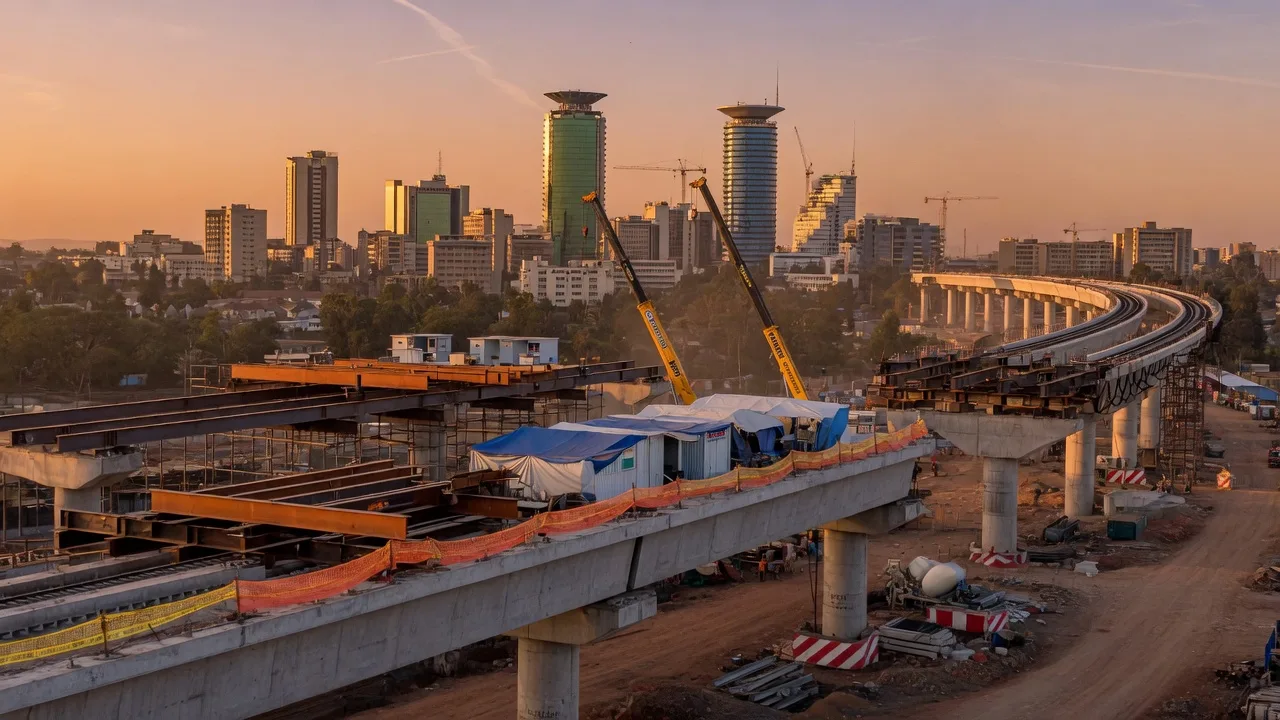
Lamu refinery plan eyes Africa’s 86 million tonne fuel import gap
Key points
- A Lamu refinery concept targets Africa’s large fuel import deficit.
- Reported scale is around a Sh2.2 trillion class investment ambition.
- Climate, community land and bankable offtake will decide viability.
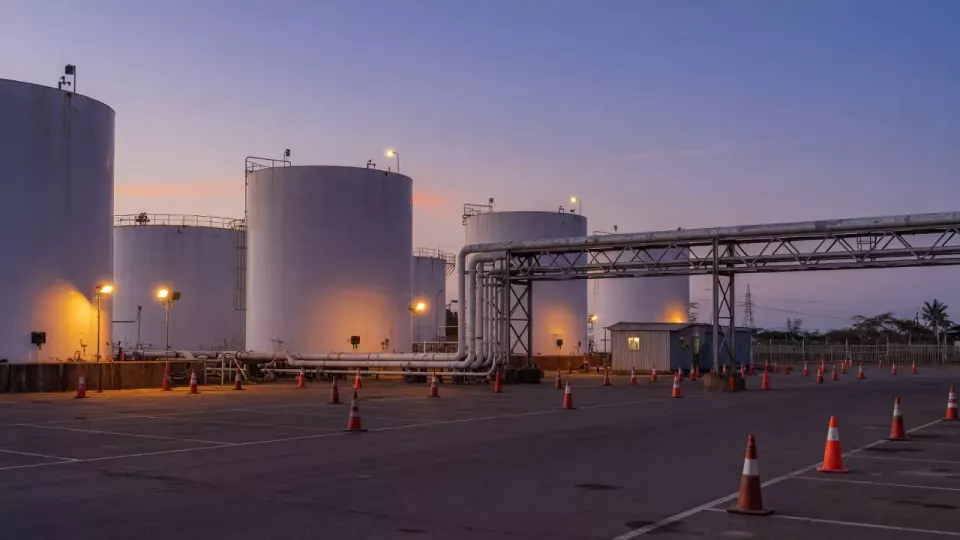
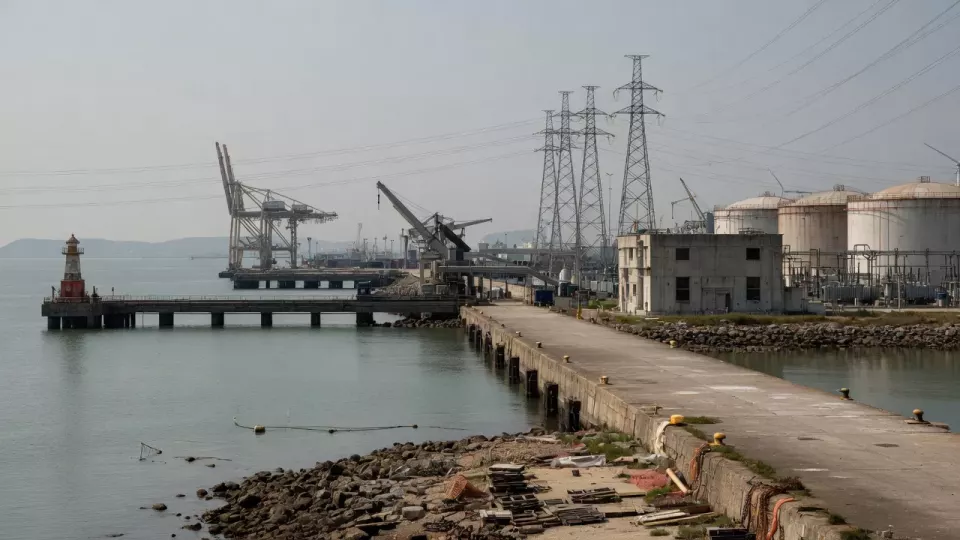
Refineries are national bets measured in decades. Standard Business reports that a planned Lamu refinery eyes Africa’s roughly 86 million tonnes fuel import gap, framed as a path to stronger regional fuel security with a multi-trillion shilling price tag.
Kenya imports most refined products. Local refining can cut forex pressure and logistics risk — or become a stranded white elephant if global fuel demand peaks and financing costs stay high. Lamu’s coast also carries heritage, fishing and conservation stakes that crude logistics can threaten if poorly designed.
Hard questions
Who funds equity and debt? What environmental impact assessment standard applies? How do host communities share benefits? What happens to the project under stricter carbon rules?
Energy transition plans should sit beside any hydrocarbon mega-project so Kenya is not locked into yesterday’s model without a sunset path.
Public scrutiny
Publish feasibility summaries and risk allocation before ground is broken.
Energy contacts: directory.
Based on Standard Business reporting of the Lamu refinery concept and Africa import-gap framing.