Kenya urged to invest in maritime manpower to secure seaborne trade future
Key points
- Analysts note that over 80 per cent of global trade is seaborne — including the food, fuel and medicines Kenya consumes.
- Kenya is being urged to invest deliberately in maritime manpower, not only port concrete.
- Skills gaps in seafaring, logistics and ship services could leave the blue economy under-earning.
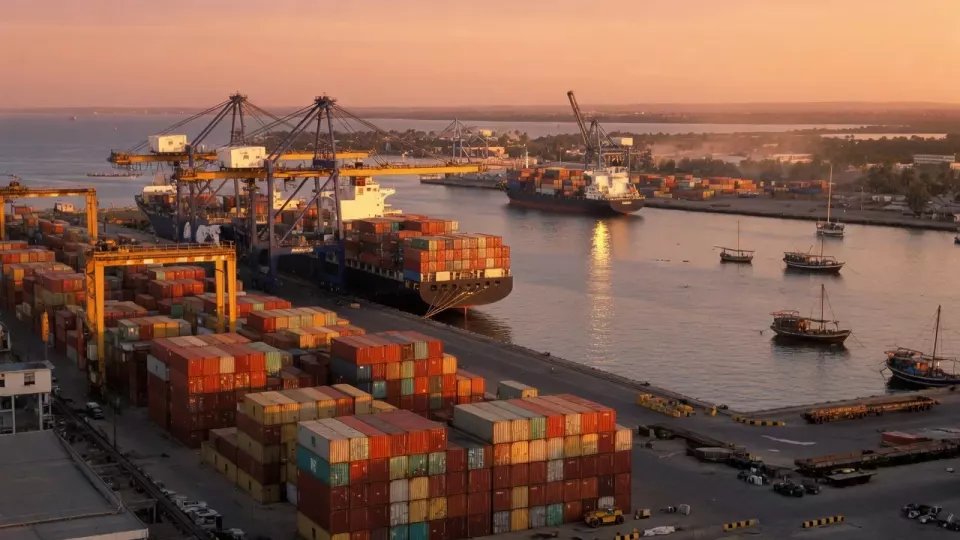
If it arrived in your shop, odds are it came by ship first. Standard Business reports maritime analysts stressing that more than 80 per cent of global trade moves by sea, and that Kenya must invest in manpower to secure its maritime future — because fuel, food and hospital supplies all ride those hulls.
Cranes and berths without trained officers, marine engineers, surveyors and logistics planners are expensive sculpture. Cabotage debates, crew certification, and partnerships with training academies decide whether Kenyan youth earn foreign exchange on foreign-flagged ships or watch others collect the wages.
What investment looks like
Scholarship pipelines into maritime colleges, simulator time, gender inclusion in a male-dominated sector, and port community systems that need IT talent as much as winch skills. Coastal counties should see curricula match actual hiring, not only tourism brochures.
Security and environment skills matter too: oil-spill response, illegal fishing patrols, and pilotage standards protect the same blue highway that fills supermarket shelves.
Policy test
Publish a manpower forecast against vessel traffic growth at Mombasa and Lamu. If the numbers diverge, the “blue economy” slogan is already leaking.
Transport contacts: directory.
Based on Standard Business reporting of maritime analysts’ recommendations.