Costly battery-swap franchises stall Kenya’s e-bike expansion
Key points
- Battery-swap franchise costs are stalling broader e-bike rollout.
- Of about 25,000 EVs on Kenyan roads, more than 24,000 are motorcycles — roughly 96 per cent.
- Boda electrification is the mass path to cleaner urban air if swap economics work for riders.
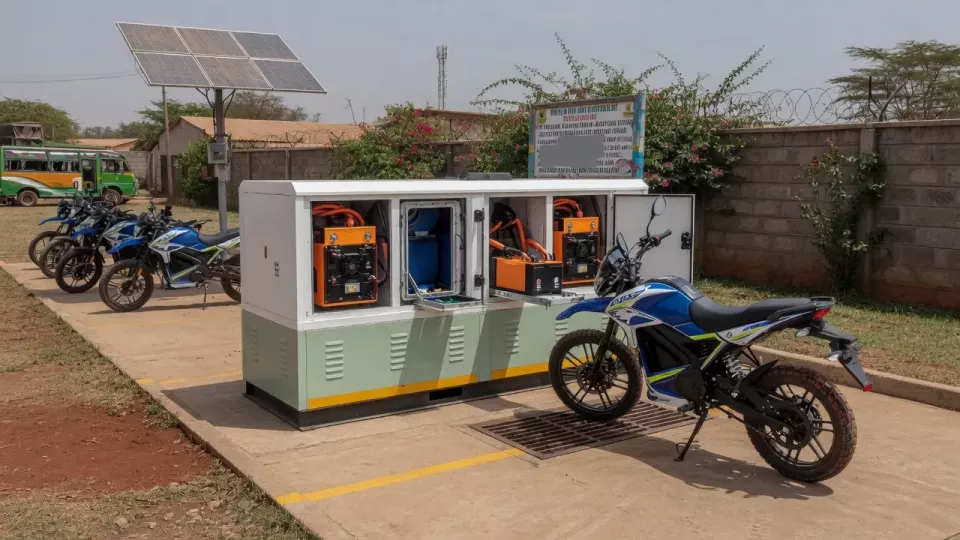
Kenya’s EV story is mostly two wheels. Business Daily reports that costly battery-swap franchises are stalling e-bike expansion, even as motorcycles account for about 96 per cent of roughly 25,000 electric vehicles on the road.
Swap networks solve charging time for boda riders who cannot wait hours on a plug. But if franchise fees, battery deposits and energy prices erase the diesel savings, riders stay on petrol. That freezes air-quality gains in the CBD and estate stages.
What would unstick the market
Cheaper franchise models, shared open-swap standards, targeted financing for riders, and reliable battery health transparency. Counties can ease siting for swap kiosks without creating monopolies.
Safety standards for lithium handling and fire response must scale with fleets — a single poorly regulated depot incident can set policy back years.
Climate and jobs
Local assembly and technician training turn imports into employment. Without viable unit economics, “green boda” remains a pilot forever.
Business contacts: directory.
Based on Business Daily reporting on e-bike and swap-franchise economics.