BasiGo pushes electric buses upcountry with four new charging stations
Key points
- BasiGo plans four charging stations to support upcountry electric bus growth.
- The firm already runs more than ten chargers in Nairobi for its e-bus fleet.
- Range anxiety and depot power are the real barriers beyond capital-city pilots.
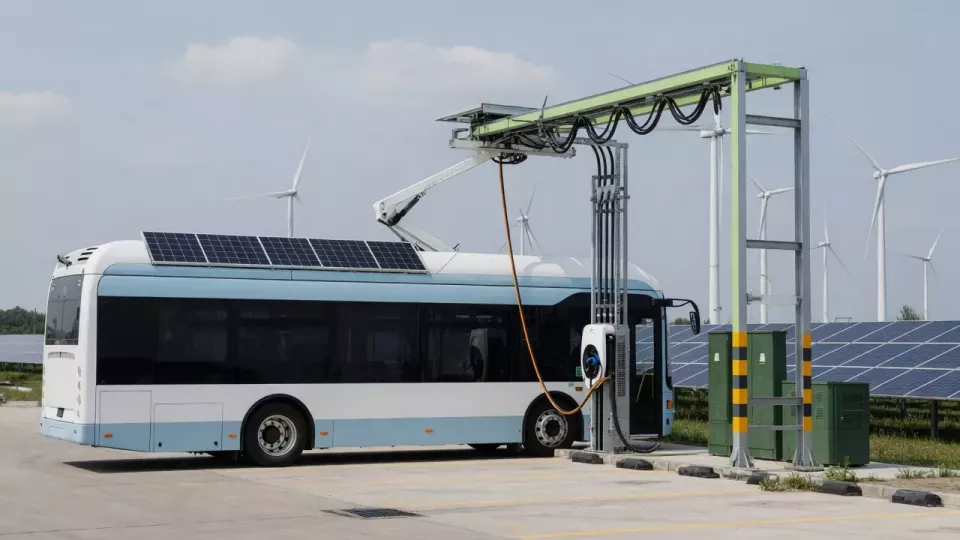
Electric buses only leave Nairobi when the plug network does. Business Daily reports that BasiGo is targeting upcountry EVs with four charging stations, on top of more than 10 chargers in Nairobi that primarily serve its electric bus fleet.
PSV electrification cuts diesel soot on congested corridors and can lower long-run fuel bills if electricity tariffs and uptime cooperate. Upcountry expansion tests hills, longer stages and weaker grids — the difference between a climate press release and a timetable passengers can trust.
What must work
Reliable high-power depots, spare buses for downtime, technician training in counties, and transparent fares so green does not mean premium-only. Counties should streamline siting without turning chargers into political trophies.
Competition from diesel cartels and informal operators will be fierce; policy should reward clean fleets without crushing small owners unfairly.
National EV context
Most Kenyan EVs are still two-wheelers; buses are the visible mass-transit bet. Charging density decides both.
Transport contacts: directory.
Based on Business Daily reporting of BasiGo’s expansion plans.