Local assembly plants push new-vehicle demand as capacity jumps past 3,000 units
Key points
- Assemblers report rising appetite for brand-new units with warranties, service plans and genuine spares.
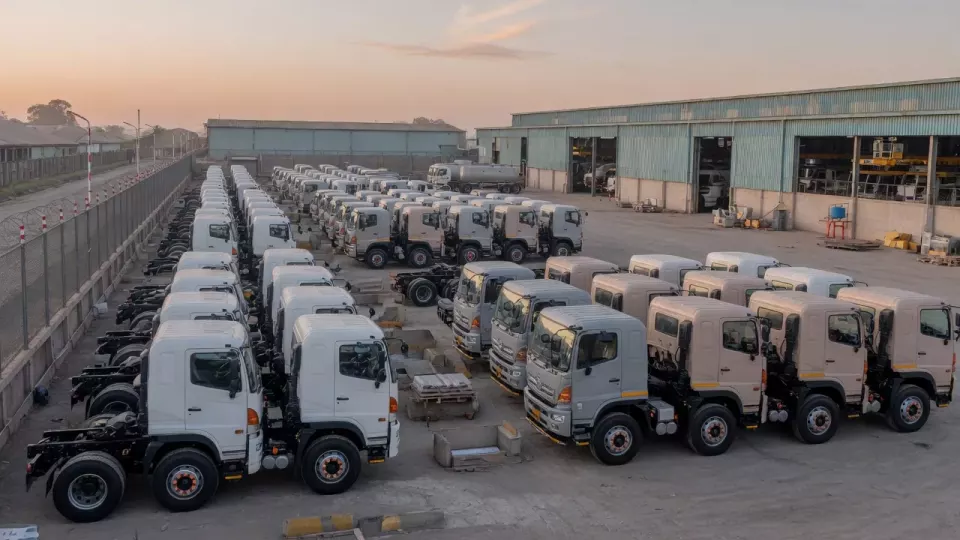
- One plant cited: capacity from about 200 vehicles to more than 3,000; lines include FAW trucks and Jetour cars.
- Planned Mlolongo workshop: 400+ jobs, 24-hour operations, up to 300 trucks at a time for Northern Corridor fleets.
- Equity Bank's Beatrice Nyambura: asset-finance packages tied to repayment history and business performance.
From roughly 200 vehicles of capacity to more than 3,000 — that is the growth arc one local assembler put on the record as Kenya's market tilts toward brand-new, factory-backed units instead of only imported used cars, Eastleigh Voice reported from industry briefings.
The same plant is assembling FAW commercial trucks and Jetour passenger vehicles. Speakers, including industry figure Faiz, tied the shift to manufacturing investment, easier fleet credit and expanding transport infrastructure that rewards reliable uptime over cheap first purchase price.
Mlolongo service bet on the Northern Corridor
Plans include a Mlolongo workshop meant to employ more than 400 people, run 24 hours a day and handle up to 300 trucks at once — a pitch aimed at transporters who lose money every hour a unit sits offline. If built as described, it would turn assembly sales into a service ecosystem along the corridor that feeds Nairobi and the hinterland.
Buyers, assemblers say, increasingly want manufacturer warranties and genuine parts after bad experiences with some used imports whose long-term repair costs erase the sticker "saving." Fleet operators moving from one truck to many also need predictable maintenance slots, not informal roadside fixes alone.
Finance as the demand multiplier
Equity Bank Head of Asset Financing Beatrice Nyambura said packages are structured around repayment history and business performance, matching the growth story of firms scaling fleets rather than buying a single unit. Credit access, not only factory output, decides whether local assembly becomes mass market or niche.
Business desk: Business. Watch published utilisation rates at assembly lines and whether the Mlolongo workshop breaks ground on a dated schedule — capacity claims only matter when trucks and cars leave the gate financed and serviced.
Skills, logistics and aftersales jobs are the wider value-chain promise. Without them, "local assembly" stays a CKD label on a brochure. With them, Kenya can argue the new-vehicle shift is industrial policy with payrolls attached.
Based on Eastleigh Voice industry reporting. Company filings and bank product sheets control capacity and finance terms.