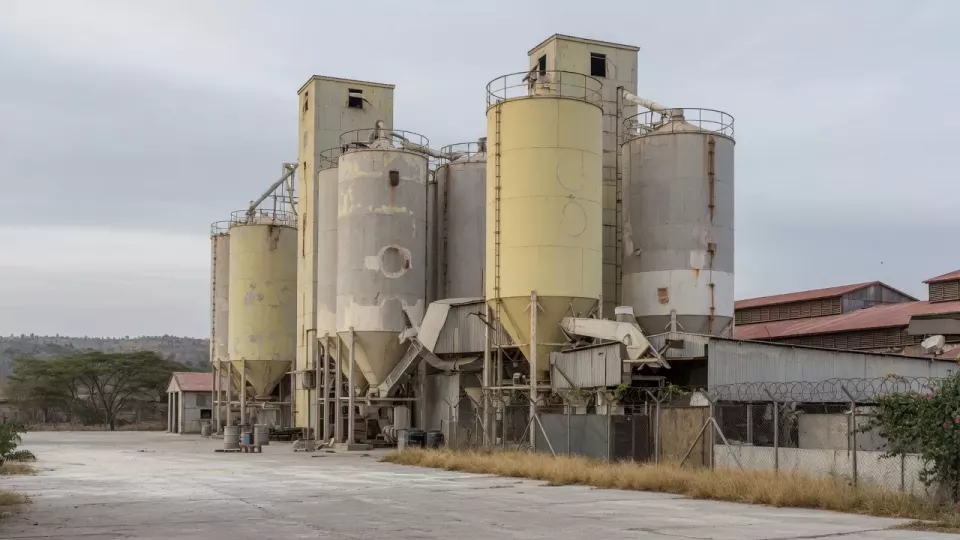
State moves to revive Kwale sugar miller as national economic priority
Key points
- CS Kagwe called Kwale sugar mill revival a national priority.
- Goals include jobs and local value addition on the coast.
- Success depends on cane supply, capital and timely farmer pay.
- Past sugar bailouts offer cautionary lessons on governance.
The government is moving to revive a Kwale sugar miller, with Agriculture Cabinet Secretary Mutahi Kagwe describing the project as a national economic priority for jobs and agro-industrial value addition.
Nation.Africa reported Kagwe’s framing of the mill as more than a county story — sugar revival sits inside wider debates about import dependence, farmer payments and factory debt across Kenya’s sugar belt.
Coastal cane zones have long argued they were left behind while western mills dominated policy attention. A credible Kwale restart would need cane supply contracts, working capital and power reliability.
Past sugar interventions have stumbled on political appointments, delayed farmer dues and smuggling of duty-free imports. Markets will judge this attempt by mill throughput and on-time farmer payments, not ribbon-cuttings.
Investors will also watch whether the revival is a pure state project, a public-private partnership, or an asset sale with conditions.
Farmers should demand transparent cane pricing formulas before expanding acreage on the strength of political promises alone.
Sources: Nation.Africa. This report paraphrases publicly available reporting; it does not republish third-party full text.
For readers tracking this story, the reliable next step is to separate what has already been verified in the published account from what still depends on official follow-up — court filings, agency circulars, company statements or county budget lines. Where the original report lists institutions, named officers or dollar/shilling figures, those anchors remain the ceiling of what can be stated without fresh primary documents.
Process matters as much as the headline. Affected residents, businesses or claimants should keep reference numbers, payment receipts, OB entries or written correspondence where relevant, and should treat social-media summaries as secondary until they match an official update. Journalists and civic monitors will look for the next scheduled hearing, disbursement batch, regulatory notice or implementation timeline rather than for recycled opinion.
Stakes for the public are practical: service delivery, legal rights, money, safety or market access. If later official numbers revise an early tally, the later figure controls. This expansion does not add new statistics, new quotes or new named actors beyond those already present in the article body above; it only clarifies how to read the existing facts and what to watch next without inventing outcomes.
Political claims harden only when parties publish instruments — nominations, coalition pacts, IEBC notices or parliamentary motions. Until then, tour schedules and interview lines are positioning, not ballot outcomes. Voters should match pledges against budgets and statutory calendars.
Sector and enforcement stories should be checked against the latest ministry gazette notices, regulator circulars and court orders. Firms and communities should not treat a single political announcement as a completed reform until budgets, licences or prosecutions move in public records.