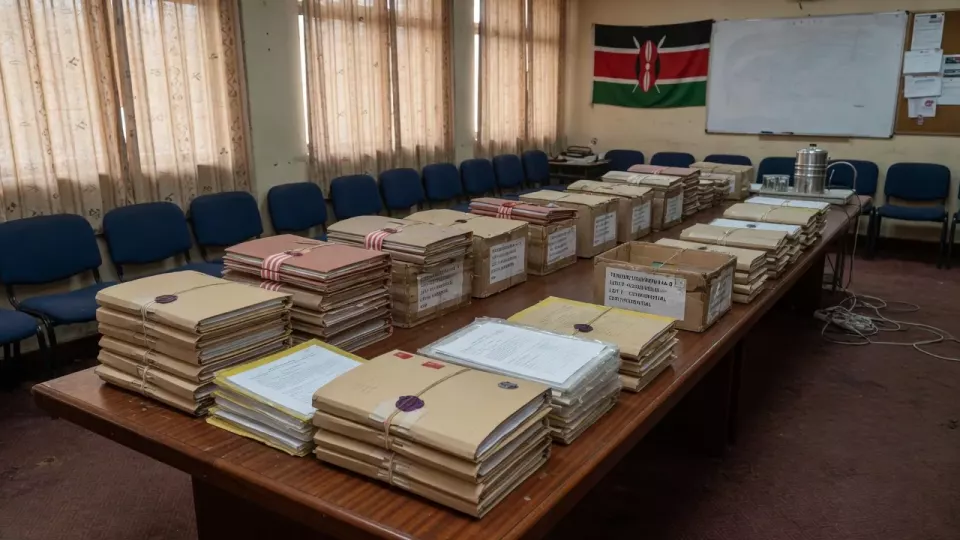
After the blackout, businesses count lost cash and spoiled stock
Key points
- A major night outage hit businesses and households.
- Losses include lost sales, spoiled cold-chain stock and idle shifts.
- SMEs without generators absorb most of the cash hit.
- Reliability pressure on Kenya Power is intensifying.
Businesses across Kenya are counting the cost of a major night-time power outage that disrupted trade, plunged households into darkness and left firms tallying lost sales and spoiled inventory.
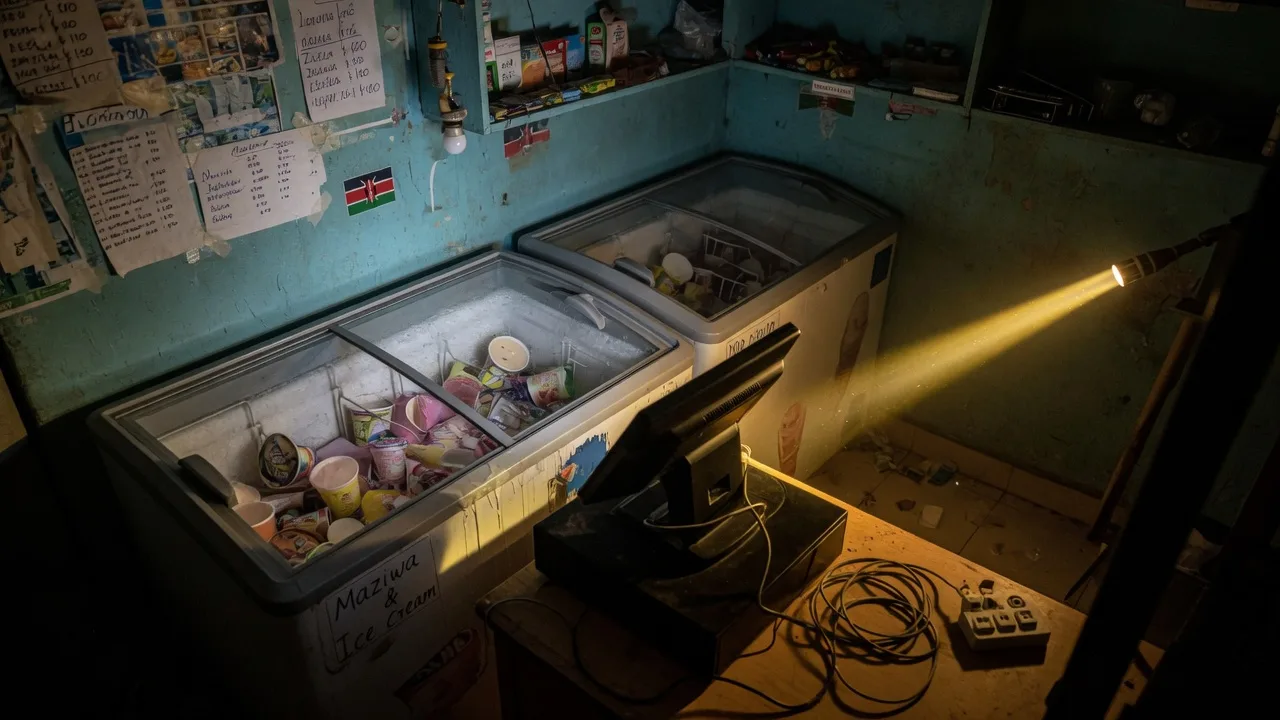
Nation.Africa’s business desk described a familiar damage pattern: POS systems offline, cold-chain stock ruined, factories idling mid-shift, and security risks rising in unlit streets.
For SMEs without generators, a multi-hour outage is a direct cash event — not an inconvenience. Informal traders cannot invoice “force majeure”; they simply earn zero that evening.
The outage debate now sits beside Kenya Power’s separate payment-system woes: customers judge the utility on both electrons and the ability to buy tokens when the lights return.
Insurers rarely cover pure utility downtime for small shops, so the loss stays on the entrepreneur. Industry associations will keep pushing for reliability metrics with teeth.
Firms can mitigate with staged UPS for routers and tills, manual fallback sales logs, and generator cooperatives in industrial clusters where capital allows.
Sources: Nation.Africa. This report paraphrases publicly available reporting; it does not republish third-party full text.
For readers tracking this story, the reliable next step is to separate what has already been verified in the published account from what still depends on official follow-up — court filings, agency circulars, company statements or county budget lines. Where the original report lists institutions, named officers or dollar/shilling figures, those anchors remain the ceiling of what can be stated without fresh primary documents.
Process matters as much as the headline. Affected residents, businesses or claimants should keep reference numbers, payment receipts, OB entries or written correspondence where relevant, and should treat social-media summaries as secondary until they match an official update. Journalists and civic monitors will look for the next scheduled hearing, disbursement batch, regulatory notice or implementation timeline rather than for recycled opinion.
Stakes for the public are practical: service delivery, legal rights, money, safety or market access. If later official numbers revise an early tally, the later figure controls. This expansion does not add new statistics, new quotes or new named actors beyond those already present in the article body above; it only clarifies how to read the existing facts and what to watch next without inventing outcomes.
Service and consumer angles turn on written rules: contracts, tariffs, circulars and statutory timelines. Users should confirm current guidance on the operator’s or regulator’s official channel before acting on a news paraphrase, especially where fees, penalties or emergency obligations are involved.
Political claims harden only when parties publish instruments — nominations, coalition pacts, IEBC notices or parliamentary motions. Until then, tour schedules and interview lines are positioning, not ballot outcomes. Voters should match pledges against budgets and statutory calendars.
Market and climate-linked stories should be read against the latest official series — KNBS, NDMA, ministry circulars or port statistics — rather than a single day’s anecdote. Households and firms should plan against documented measures (permits, tariffs, aid windows) that can be checked independently.