Report: Kenya's digital 'missing middle' blocks growth despite fibre push
Key points
- AFC's State of Africa's Infrastructure Report flags a "missing middle": platforms, services, skills and institutions that turn connectivity into output.
- Kenya's digitally delivered services exports were about Sh257.4bn ($1.98bn) in 2024 — roughly 1.58% of a Sh16.2trn GDP, vs Ghana's 6.3% share.
- Study covers 46 African countries 2014–2024 using fixed broadband as a connectivity proxy against digital services exports per capita.
- Ruto agenda cites ~100,000 km fibre "digital superhighway"; a separate digital-economy path once projected ~Sh2.9trn / 9.24% of GDP with ~1.9m digital jobs.
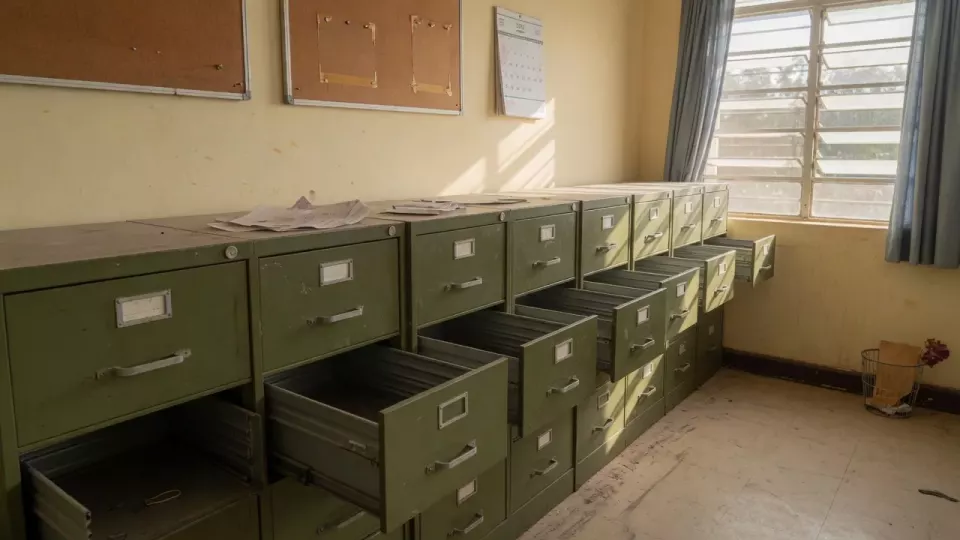
Cables alone do not print growth. A new Africa Finance Corporation infrastructure report groups Kenya among countries that still struggle to turn digital infrastructure spend into economy-wide output — a gap it brands the "missing middle", the Standard reported.
That middle layer is platforms, services, skills and institutions that let firms sell, scale and compete online. Without it, fibre and towers stay underused; with it, the same pipes feed productivity, exports and jobs. Ghana is held up as a conversion benchmark: digitally delivered services exports near 6.3 per cent of GDP, in the report's telling, versus Kenya's roughly 1.58 per cent.
Kenya's numbers in the frame
Kenya's digitally delivered services exports are put at about Sh257.4 billion ($1.98 billion) in 2024 against GDP near Sh16.2 trillion in the same comparison period — almost four times thinner as a GDP share than the Ghana example cited. The AFC analysis scanned 46 African countries from 2014 to 2024, pairing fixed broadband subscription changes with digitally delivered services exports per capita so the scoreboard is output, not only kilometres of fibre.
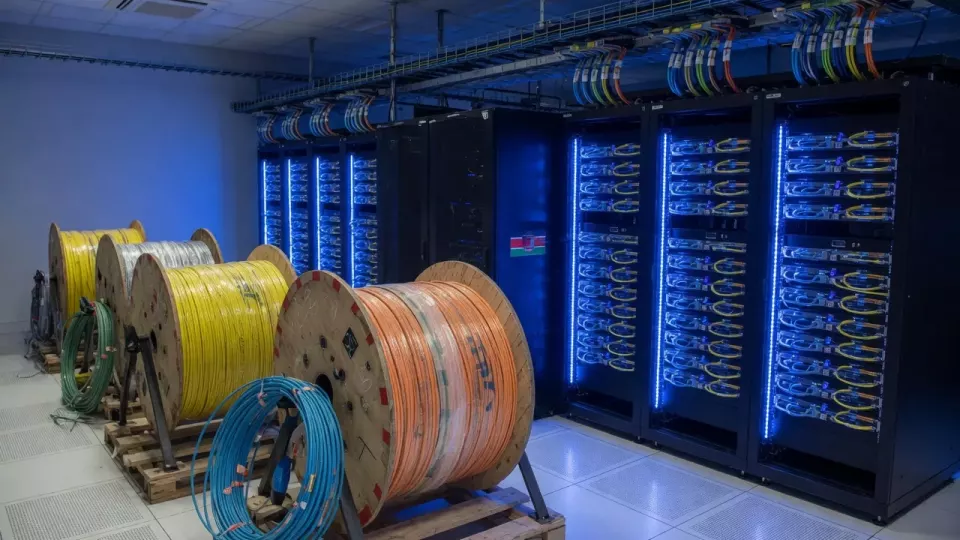
President William Ruto's digital agenda still emphasises a national fibre push — about 100,000 kilometres of "digital superhighway" in manifesto language — plus government service digitisation. A related digital-economy pathway document has spoken of a sector path toward roughly Sh2.9 trillion ($23 billion) and about 9.24 per cent of GDP, with an earlier estimate of about 1.9 million Kenyans in digital work including 1.2 million gig workers. Ambition on the pipe is not the same as export conversion.
What "fix the middle" means in practice
Policy that only counts towers will keep missing the AFC test. Procurement that grows local software and BPO demand, skills pipelines that match firm hiring, and regulation that lets platforms scale without endless friction are the conversion tools. Matching Ghana's export-intensity benchmark across Africa's ten largest economies, the report hypothesises, could lift digitally delivered services exports from about $29 billion to roughly $127 billion — a continental scale illustration, not a Kenya budget line.
Business desk: Business. Publish an annual dashboard: fibre km lit, SME digital sales, digitally delivered export share of GDP, and formal digital jobs. A 12-month gap between superhighway ribbon-cuttings and export-share movement is the real accountability metric.
Bottom line: Kenya is not described as cable-poor so much as conversion-poor. Until platforms and skills ride the same budget priority as trenches, the missing middle will keep eating the growth story investors are sold at ICT forums.
Based on Standard reporting of the Africa Finance Corporation infrastructure study and cited digital-economy figures. Official statistics control definitive GDP and export outturns.