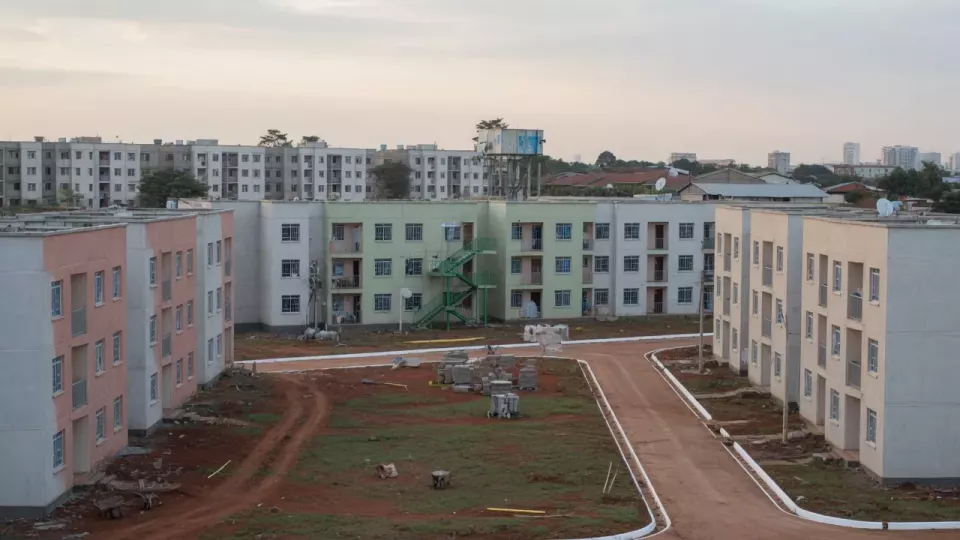
Inside huge cash withdrawals from Kenya’s affordable housing kitty
Key points
- Large withdrawals and refunds from the affordable housing kitty have drawn public scrutiny.
- Authorities say some movements relate to refunds and programme operations, not pure leakage.
- Levy-paying workers still demand published ledgers and unit delivery timelines.
When money leaves a national housing pot, every worker who pays the levy deserves a paper trail. Standard Business reporting on huge cash withdrawals from the affordable housing kitty has forced a clarification cycle after local coverage of refund volumes and outflows.
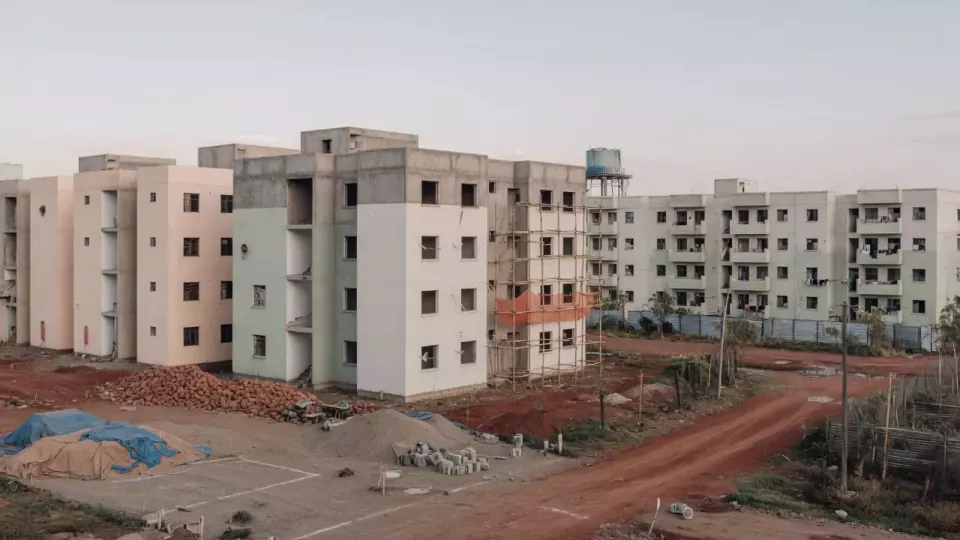
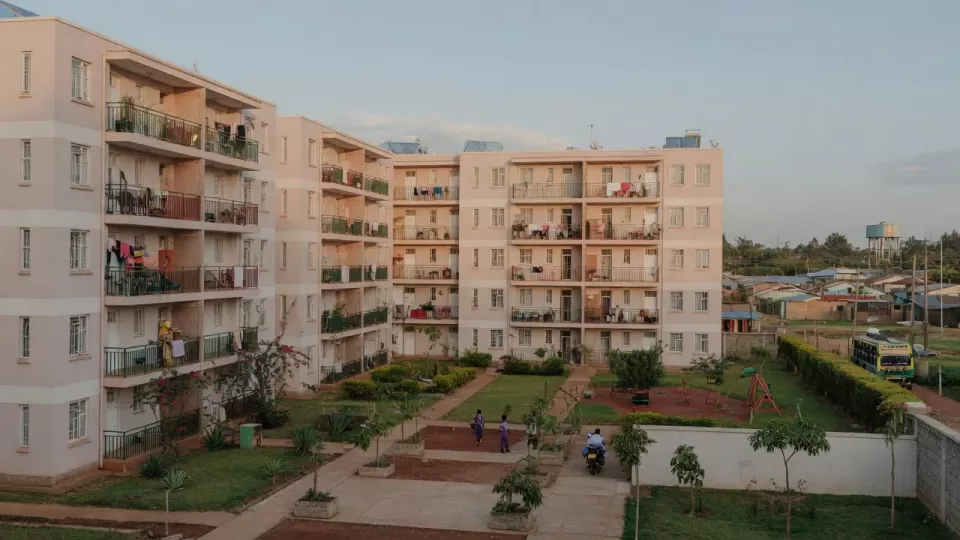
The Affordable Housing Programme was sold as homes for the hustler class funded by a mandatory contribution. That social contract breaks if balances move without understandable categories: refunds to over-payers, contractor advances, land acquisition, or administrative spend. Ambiguity is political fuel.
What the public needs published
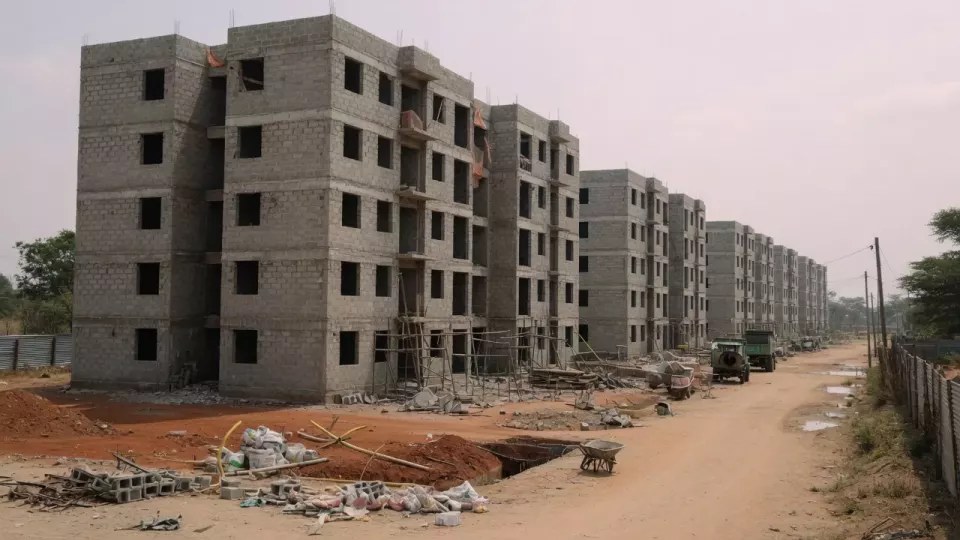
Monthly dashboards with opening balance, levy inflows, refunds, project disbursements and closing balance — by county where possible. Unit completion counts must sit next to cash figures so Kenyans can test value for money.
Past scandals in housing and infrastructure show that “clarification after a headline” is not a control system. Auditors-general reports and parliamentary PAC reviews should treat the kitty as a standing high-risk fund.
Citizen checklist
Ask your MP for the latest housing levy absorption brief. If you applied for a unit, demand written status. Housing without transparency is a tax by another name.
Housing contacts: directory.
Based on Standard Business reporting of housing fund cash movements and official clarifications; figures evolve with new statements.