Kenya affordable housing levy explained: what workers and buyers should know
Key points
- The affordable housing programme is funded partly by worker and employer contributions (the housing levy).
- Public debates often mix levy cash movements, Boma Yangu withdrawals, and unit delivery timelines.
- Workers should demand published dashboards: inflows, refunds, disbursements, and completed units by county.
- Use this page as a living hub — start here, then read the latest housing news and directory contacts.
Kenya’s affordable housing drive is both a social promise and a monthly payroll line. For many workers the first contact is the housing levy: money leaving the payslip into a national programme sold as homes for the hustler class. For applicants, the second contact is often a portal, waiting list, or refund request when plans change.
This hub collects what matters for readers who live with the policy — not the ribbon-cutting version. It is written to stay useful as news breaks around the housing beat, Boma Yangu balances, and county delivery fights.
What the levy is trying to do
In plain terms, the state wants a steady cash pool to finance affordable units and related infrastructure. Supporters say mandatory contributions create scale private markets will not fund alone. Critics say a payroll tax without transparent ledgers is just another deduction — especially when food and rent already dominate household budgets.
Neither slogan replaces a simple test: does contribution money map to finished homes people can afford?
Levy cash, refunds, and “huge withdrawals”
Headlines about large movements from the housing kitty usually fall into a few buckets: refunds to over-payers or cancelled applicants, project disbursements, land and contractor payments, or administrative costs. Official clarifications after media reports are common. Readers should still ask for monthly public dashboards with opening balance, levy inflows, refunds, project spend, and closing balance — ideally by county.
Related coverage on ZaKenya includes reporting on housing estates and policy and stories about Boma Yangu withdrawals when savers cash out even as overall savings pools grow. Treat each story as an update to this hub, not a replacement for the framework above.
What buyers and savers should verify
- Application status — written confirmation of unit type, location, price band, and queue position.
- Refund rules — timelines, documents, and who to call when a refund stalls.
- Total cost of credit — if a mortgage or top-up sits on top of the unit price.
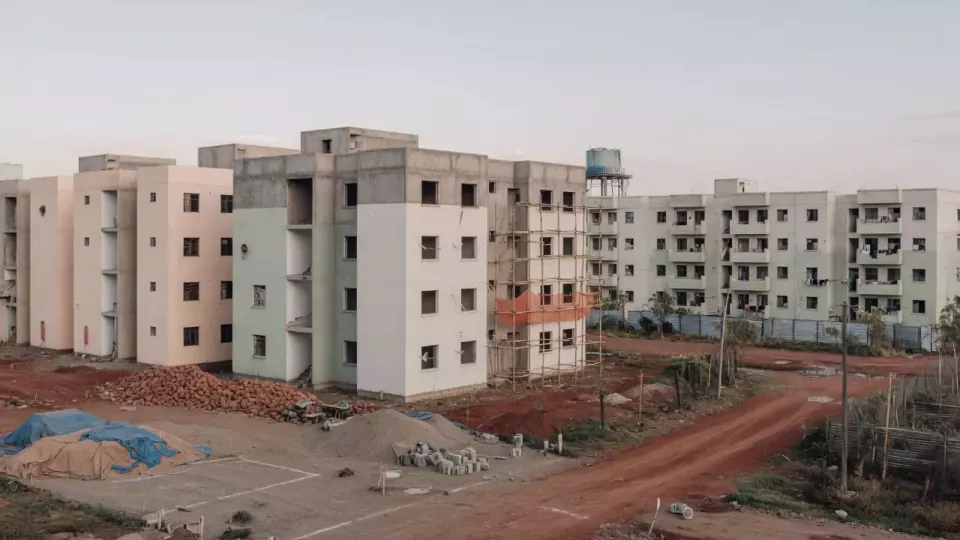
- Delivery evidence — not only foundation photos; ask for handover dates and defects liability.
How to use this hub
1) Read the latest housing news on ZaKenya’s Housing section.
2) For organisation phones and offices, start from the directory.
3) For general newsroom questions, use Contact us. Brands buying placements should use Advertise.
Policy will keep changing. This page will remain the map; individual articles remain the weather report.
Evergreen explainer for ZaKenya readers. Figures and scheme rules evolve — always check the latest official notices alongside news reports.