Kenya Power: wind and solar intermittency raises cost of keeping grid stable
Key points
- Kenya Power said wind and solar now supply 34 per cent of electricity at peak daytime demand of 1,900MW, rising to 36 per cent when demand is about 1,200MW.
- Intermittent output forces the utility to keep generators on standby and pay when renewables drop.
- MD Joseph Siror said there is “no option but to dispatch and pay for generators,” raising overall power cost.
- Wind and solar exceed 20 per cent of grid firm capacity, above a 15 per cent comfort threshold cited in the package.
Clean power is no longer a rounding error on Kenya’s midday graph — and Kenya Power says that success is also a bill. In a Tuesday statement reported by Eastleigh Voice, the utility warned that growing wind and solar shares raise the cost of keeping the grid stable.
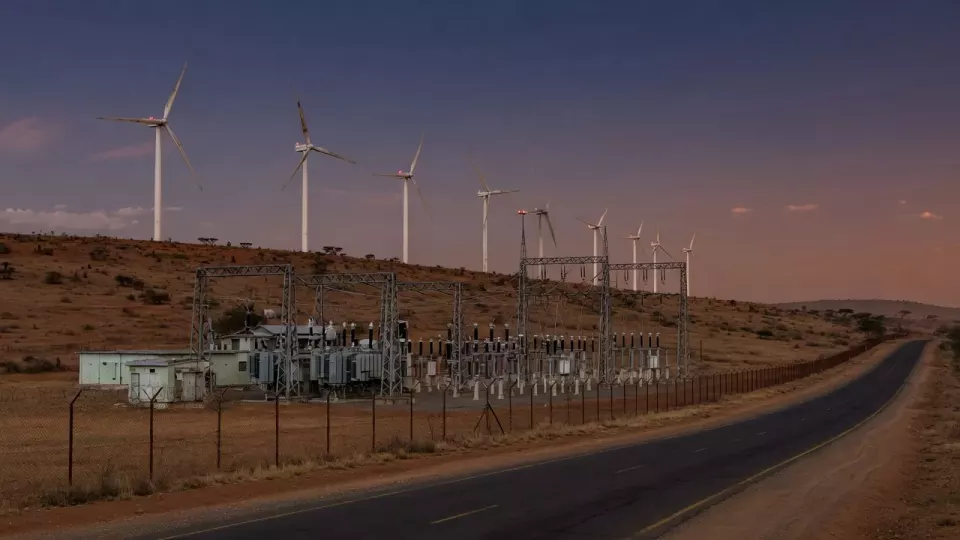
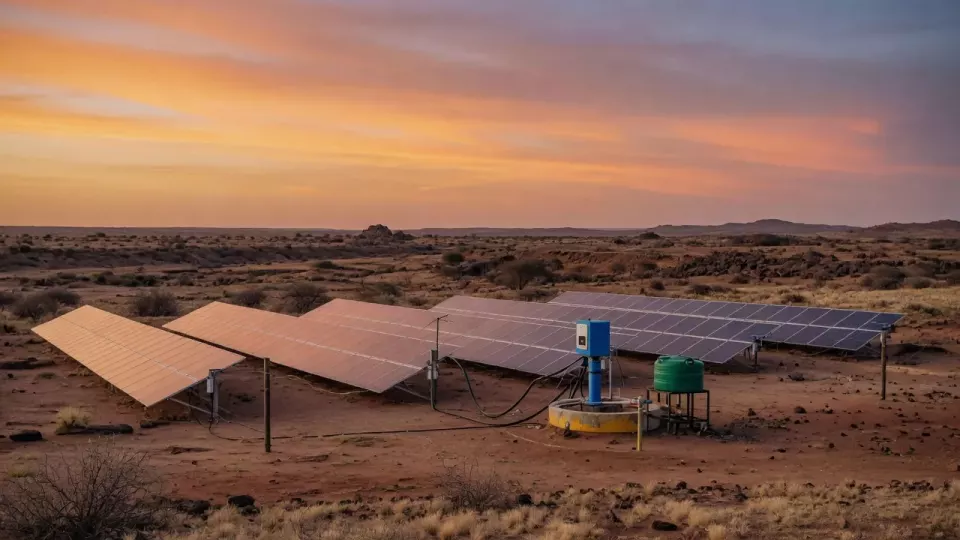
Wind and solar now account for 34 per cent of electricity generated during peak daytime demand of 1,900 megawatts, and 36 per cent when demand falls to about 1,200MW. Output swings with wind and sun force Kenya Power to cover shortfalls with alternative plants so supply stays stable.
Standby machines and the 15 per cent line
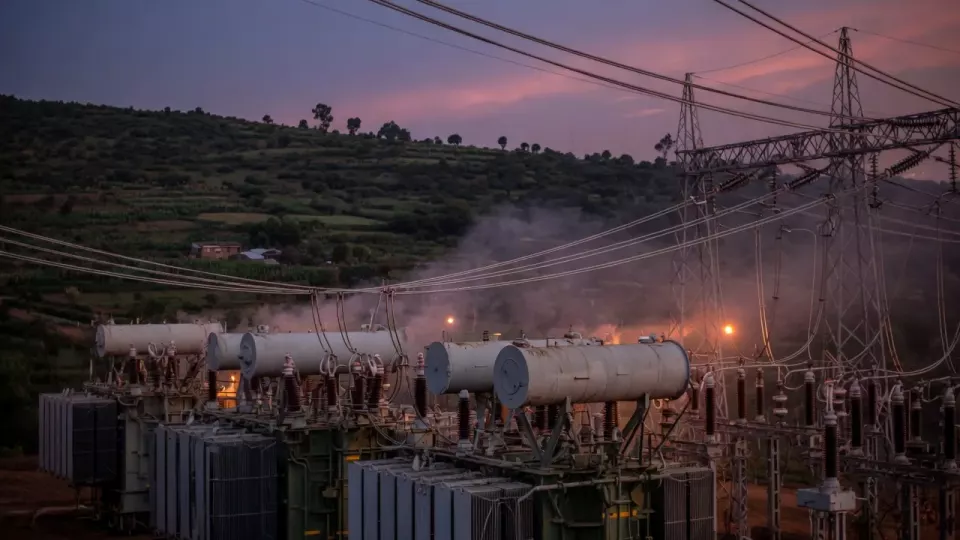
“Given the intermittent nature of wind and solar, we have no option but to dispatch and pay for generators, increasing the overall cost of power,” Managing Director Joseph Siror said. The package notes wind and solar have grown to more than 20 per cent of firm capacity — above a 15 per cent level often treated as a planning comfort line — so flexibility and backup become structural costs, not rare emergency purchases.
Energy desk: Energy & Transport. Verified percentages, demand levels and Siror quote from Eastleigh Voice; the exact shilling impact on tariffs was not itemised in the statement summary.
EPRA, IPPs and households will argue over who pays for flexibility. Storage, better forecasting and demand response are the technical answers; the political fight is whether the cost shows up in the token price.
Without transparent backup-cost accounting, every renewable megawatt will be celebrated in climate speeches and cursed on the bill.
Based on Eastleigh Voice reporting of Kenya Power’s statement. Operational figures are utility claims; tariff outcomes depend on EPRA processes.