The Camera Must Change: Sport Moves to End Sexualised Coverage of Female Athletes
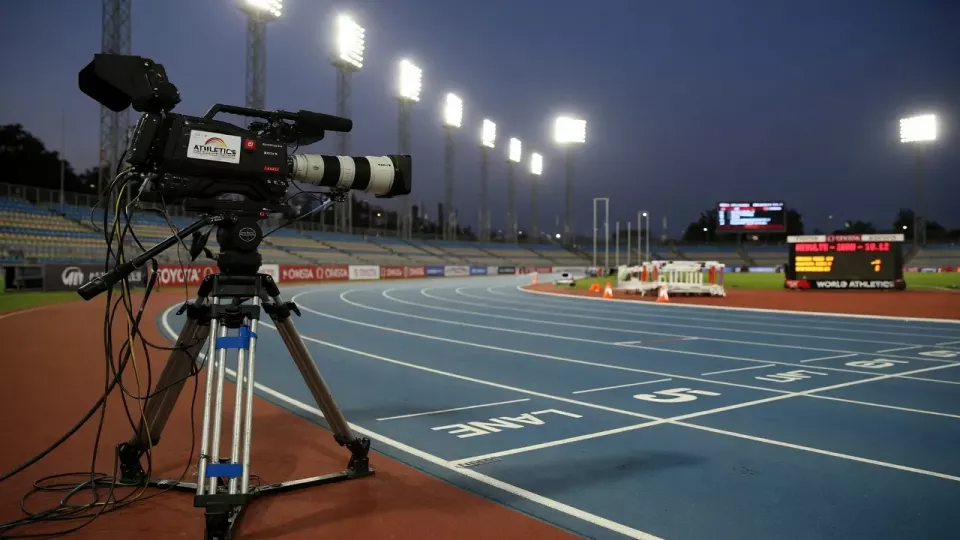
When a slow-motion replay lingers on an athlete's body rather than her performance, the damage does not end at the final whistle. That footage, often streamed to millions, is swiftly captured, stripped of context and recirculated across social media in ways that can haunt a sportswoman long after the competition is over.
Key points
- EBU and European Athletics jointly published a 23-page guide titled 'Raising the Bar' on camera conduct for women's sport.
- Deakin University research found nine in ten elite sportswomen have experienced gendered online harm.
- The guide targets low-angle shots, prolonged body close-ups, and slow-motion replays with no technical value.
- Broadcast footage is reportedly captured and recirculated on social media, affecting athletes long after competition ends.
It is a reality that elite athletes have been raising for years, and now the bodies that govern European sport are responding with concrete action. The European Broadcasting Union (EBU) and European Athletics have jointly published a 23-page guide, titled Raising the Bar, that sets out clear principles for how cameras should — and should not — frame women competing in track and field events.
A Pattern With Consequences
Research by Deakin University found that nine in ten elite sportswomen have experienced gendered online harm. Advocates argue that the camera is frequently the starting point: when broadcasters choose low-angle shots filmed from beneath athletes, prolonged close-ups of specific body parts, or slow-motion replays that carry no technical value, they produce content that is routinely weaponised online against the very women they are supposed to be celebrating.
British Olympic pole vaulter Holly Bradshaw, who was among the athletes consulted during the creation of the guidelines, put the impact plainly: "I have received social media abuse and witnessed inappropriate videos online of myself and colleagues when slow-motion content of us competing is captured." She added that athletes simply want to compete without feeling uncomfortable or anxious about how they are being filmed.
What the Guidelines Say
Raising the Bar is notable for being the first initiative of its kind developed alongside Olympic athletes and television professionals. It covers disciplines including high jump, pole vault, long jump, triple jump and sprint events — areas where athletes have long identified problematic camera placements. Broadcasters are advised to avoid prolonged body-part close-ups, low-angle views filmed from behind or beneath competitors, and slow-motion replays that do not illuminate technique or narrative. In their place, the guide recommends wider angles that capture the full arc of movement, aerial perspectives and educational graphics that explain the mechanics of athletic performance.
EBU Sport Executive Director Glen Killane stated that such choices "carry profound implications," noting that objectifying angles "divert attention from the remarkable achievements and technical skills of women athletes and risk perpetuating harmful stereotypes." European Athletics President Dobromir Karamarinov described the guidelines as "a crucial step toward eliminating harmful portrayals of women in our sport while maintaining the highest level of storytelling and technical excellence."
A Signal Broadcast Beyond Europe
The EBU works with more than 113 member organisations across 56 countries and 31 associate members worldwide, meaning these principles carry the potential to reshape how women's athletics is broadcast far beyond Europe. For African broadcasters — many of whom air international track meets featuring Kenyan and East African stars — the question of adoption is now a live one.
At its core, Raising the Bar makes an argument that is at once simple and overdue: the camera should serve the athlete's story, not diminish it.
Sources: Nation.Africa.