Wetang’ula urges MPs to cool ethnic rhetoric as 2027 cycle heats up
Key points
- National Assembly Speaker Moses Wetang’ula urged leaders to lower political temperatures ahead of the 2027 election cycle.
- He warned that bellicose and unhelpful ethnic rhetoric cannot help Kenya.
- Debate followed a statement request by Ms Mohamed on inflammatory remarks and rejection of perceived “outsiders”.
- Speaker cited multi-ethnic election history and Lamu’s mixed leadership; MPs pressed NCIC on hate-speech enforcement.
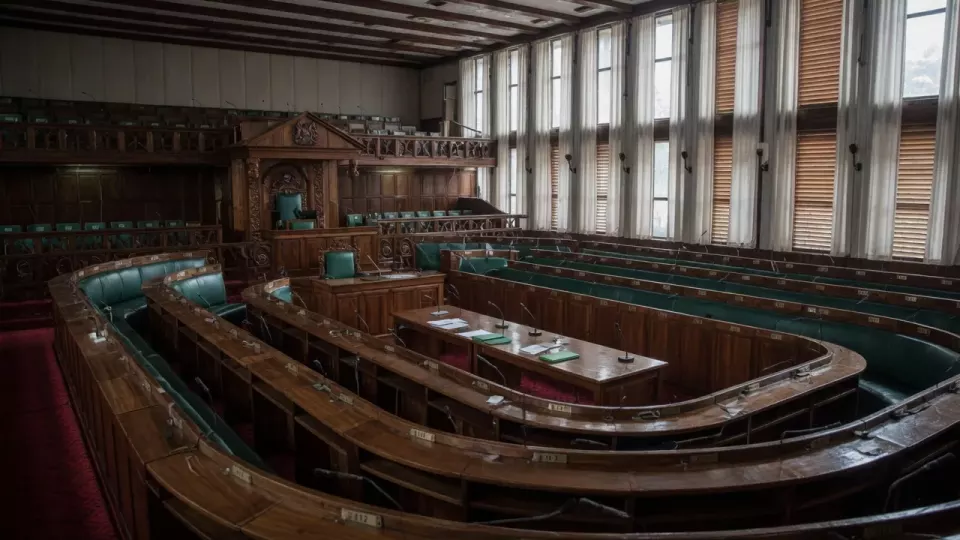
Parliament’s chair just told the political class to put the matches down. Speaker Moses Wetang’ula urged MPs and leaders outside the House to cool ethnic rhetoric as Kenya edges into the 2027 cycle, KBC reported.
“As we head towards the elections, let us all try, not only in this House but also outside it, to lower our political temperatures. Bellicose statements and unhelpful rhetoric cannot help this country,” he said. Drawing on decades in politics, he listed past MPs from minority communities — including Basil Criticos, Philip Leakey, Satish Gautama, Amin Walji, Sumra and Dr Swarup Mishra — as proof voters have elected on merit across ethnic lines, and he invoked global examples such as Barack Obama and Rishi Sunak to argue leadership should transcend race. The debate followed a statement request by Ms Mohamed, who warned that some politicians tell residents to reject long-settled “outsiders” and even dare the National Cohesion and Integration Commission to act — a sign of impunity. She cited Lamu’s multi-community elective seats and asked what NCIC has done to monitor rallies, document hate speech and enforce the law with other agencies.
Words at rallies become body counts later
Kenya’s cohesion law is only as strong as the summons that follow. When MPs publicly dare NCIC, the test is whether files move to ODPP and court, not whether the Speaker gives a good speech.
Politics desk: Politics. Verified quotes and Lamu example from KBC’s House report.
NCIC should publish a monthly hate-speech docket of summons and outcomes. Party leaders should discipline members who run “outsiders out” messages.
Without enforcement, “lower the temperature” will be remembered as a polite plea before the next violent season.
Official gazettes, court rulings and agency circulars may update these facts after publication; readers should verify any deadline, fee or court date against primary sources before acting.
Based on KBC reporting of National Assembly proceedings. NCIC case outcomes depend on subsequent investigations.