All Talk, No Arrests: Why Kenya’s Political Violence Crackdown Keeps Falling Short
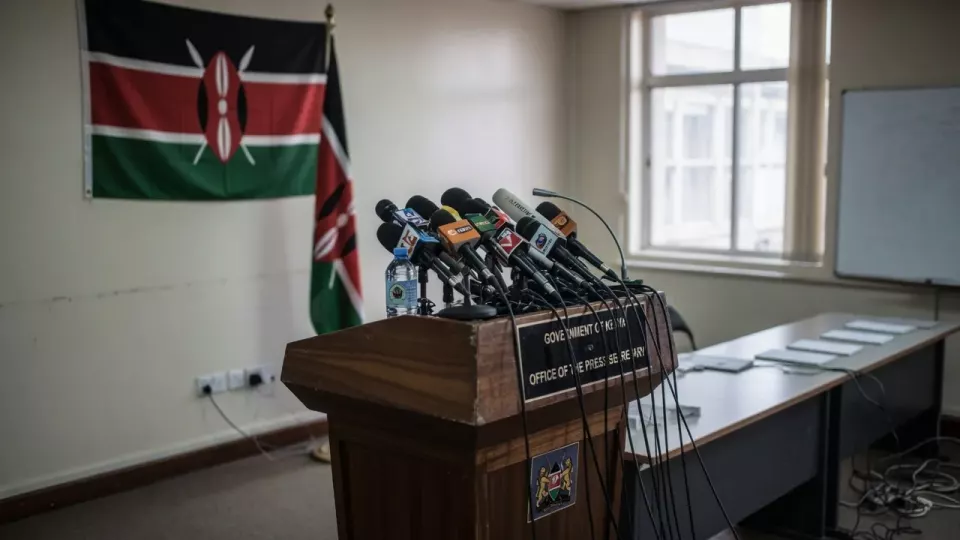
Every fresh outbreak of political violence in Kenya now follows a familiar script. Cameras roll, a government spokesperson condemns the chaos, and Interior Cabinet Secretary Kipchumba Murkomen steps forward with a warning: the financiers will be found, the perpetrators will be brought to book, and the security forces will not relent. Weeks pass. The cameras move on. The cases do not.
Key points
- July 2026 violence near St. Stephen's ACK Church in Milimani, Kisumu killed at least two people.
- Interior CS Kipchumba Murkomen announced 20 suspects arrested and 200 youths detained for screening after the clashes.
- A recurring pattern sees firm arrest pledges made after each violent incident, but cases stall and no financiers are charged.
- Separate clashes also erupted in Nyahururu the same weekend as the Kisumu church violence.
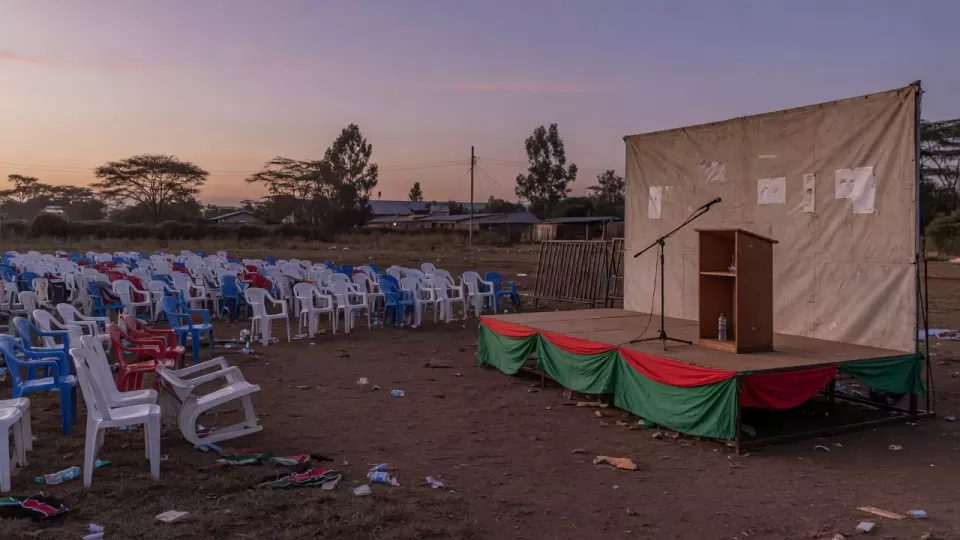
The most recent cycle began in July 2026 with violence that killed at least two people outside St. Stephen’s ACK Church in Milimani, Kisumu, during a service attended by Siaya Governor James Orengo and Linda Mwananchi movement leaders. Separate clashes erupted the same weekend in Nyahururu. Murkomen announced that 20 suspects had been arrested and 200 youths detained for screening, with eight key suspects prepared for arraignment. He directed the Inspector General of Police to “roll out intensified intelligence-led operations across the country to crack down on goons, dismantle their networks.”
It was not the first time. When goons stormed All Saints Cathedral in Nairobi earlier in the year, disrupting a post-budget review event and clashing with security guards, Murkomen pledged accountability. “We will ensure that those involved are brought to book and held accountable,” he said, adding that CCTV footage would help identify the attackers. Some suspects were arrested; investigations were described as ongoing. No prosecution outcomes from those incidents have been publicly reported.
In June, President William Ruto went further. Speaking at a funeral in Nandi Hills, he directed Murkomen and the National Police Service to launch operations against hired goons and identify their financiers. “We don’t want a violent nation,” Ruto declared. “When someone lacks an agenda, they look for violence.” The directive produced no publicly verifiable action against those alleged to be funding the violence from above.
By mid-July, chaos accompanied the Ol Kalou parliamentary by-election. Masked men in unmarked vehicles were filmed assaulting journalists and confiscating media equipment. Former Deputy President Rigathi Gachagua alleged the violence was orchestrated at the ministerial level — an accusation Murkomen denied, pledging an investigation into anyone responsible. As of the time of reporting, investigators had not publicly identified the armed men.
Murkomen appeared to acknowledge a structural failure, but directed blame toward the courts rather than the security apparatus. “I want The Judiciary to help us give ruthless punishment to those arrested and brought to court over violence and crime related to politics,” he told journalists. Critics have noted that no high-level financier or political sponsor has yet faced charges arising from any of the major incidents documented this year.
The economics of political violence suggest the networks run deep. According to Nation.Africa’s reporting, foot soldiers can be recruited for as little as Sh500 to attend a political rally, with more dangerous assignments commanding between Sh2,000 and Sh5,000. Dismantling those pipelines requires more than press-conference pledges.
With the 2027 general election drawing closer and by-elections already testing the security apparatus, the gap between what has been promised and what has been delivered grows harder to ignore.
Sources: Nation.Africa, Tuko.co.ke, Capital FM Kenya, allAfrica.com, Dawan Africa.