Borehole Drilling and Water Solutions for Nairobi Homes and Businesses

Nairobi's chronic water supply challenges intensified in 2024, triggering surge in private borehole installations among residential and business properties. Water utility rationing?reducing supply to 2-3 days weekly in many areas?motivated property owners toward groundwater independence. Borehole drilling demand increased 52% compared to 2023, with drilling companies including Nyumba Contractors, Aqua Solutions Kenya, and major construction firms expanding services. Residential borehole installations ranged from KES 380,000-920,000 depending on drilling depth (50-200+ metres), geological conditions, and system specifications including pump installations and storage tank capacity (10,000-50,000 litres).
Drilling depths varied significantly by location: Nairobi's northern suburbs (Thigiri, Ruai) accessed water tables at 40-80 metres; central areas (Westlands, Nairobi South) required 80-150 metres; increasingly, southern and eastern areas needed 150-250 metres depth. Deeper drilling escalated costs proportionally: water department surveys indicated static water levels declining 1-3 metres annually in some zones, requiring deeper penetration and more powerful pumping systems. Equipment costs (drilling rig rental, labour) escalated with depth: KES 2,500-4,200 per metre drilling compared to 2023's KES 1,800-2,900 per metre. This directly affected property owner investment: shallow boreholes (80 metres) cost KES 300,000-500,000 while deep boreholes (180 metres) reached KES 750,000-950,000.
System completion included electrical submersible or jet pumps (KES 80,000-180,000), pressure tanks ensuring consistent pressure (KES 45,000-95,000), and water treatment components addressing salinity or mineral content (KES 120,000-280,000 for advanced filtration). Water quality testing became essential: many boreholes encountered high iron, manganese, or salinity levels requiring treatment for safe household consumption. Professional drillers offered bore-completion analysis including water chemistry testing (KES 4,000-8,000), identifying treatment requirements. This increased comprehensive project costs 15-25% beyond drilling alone but ensured potable quality. Commercial properties and large residential developments implemented more sophisticated systems including underground storage reservoirs (KES 2.5-6 million), enabling gravity-fed distribution reducing pumping electricity requirements.
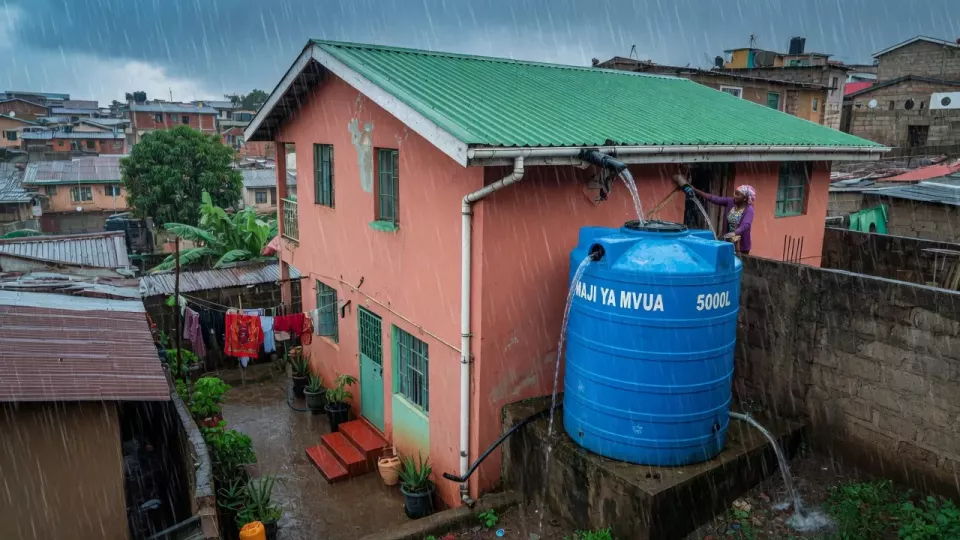
Sustainability and regulatory concerns emerged as drilling density increased. Kenya's Geological Survey identified aquifer depletion risks if current extraction rates continue unchecked: some boreholes documented declining yields within 2-4 years of initial drilling. Water resources management authorities imposed regulations limiting borehole drilling in over-exploited zones and requiring environmental impact assessments for large installations. Residential boreholes required County Water Office approvals, creating bureaucratic delays but ensuring regulatory oversight. Alternative approaches gained interest: rainwater harvesting with underground cisterns (KES 280,000-550,000) providing seasonal water supplementation without groundwater extraction, and grey-water recycling systems (KES 180,000-420,000) enabling non-potable reuse. Industry perspective suggests sustainable water security requires integrated approaches combining groundwater, rainwater, recycled water, and utility supply rather than single-source dependence.