After Dandora: Kenya’s green transition meets its hardest social test
Key points
- Dandora’s informal waste pickers have long sorted and salvaged materials that keep Nairobi’s waste system from total collapse.
- Green transition policies risk failing if they modernise waste without recognising and integrating picker livelihoods.
- A just transition means contracts, safety gear, health services and formal value-chain roles — not only new machines.
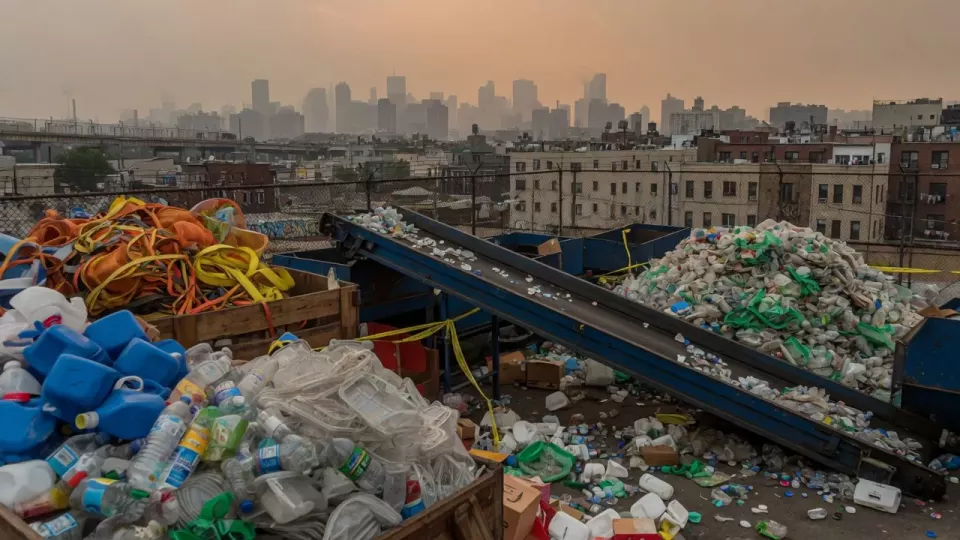
Climate policy that ignores the people already doing the recycling is cosplay. AllAfrica, drawing on African Arguments analysis, frames the question: what happens after Dandora when Kenya’s green transition collides with the reality that thousands of Nairobi’s poorest residents quietly deliver one of the city’s most important environmental services every day as informal waste pickers.
They sort plastics, metals and organics under toxic conditions so that some materials re-enter industry. Formal PPPs and waste-to-energy dreams that fence them out will create both resistance and new dumps elsewhere.
Just transition checklist
Registration without harassment, PPE and tetanus programmes, fair prices from aggregators, and priority access to new MRF jobs. Women pickers face layered risks after dark; design must include lighting and secure pay points.
Counties and national environment agencies should publish how EPR (extended producer responsibility) fees will fund picker integration, not only consultant studies.
City-wide stake
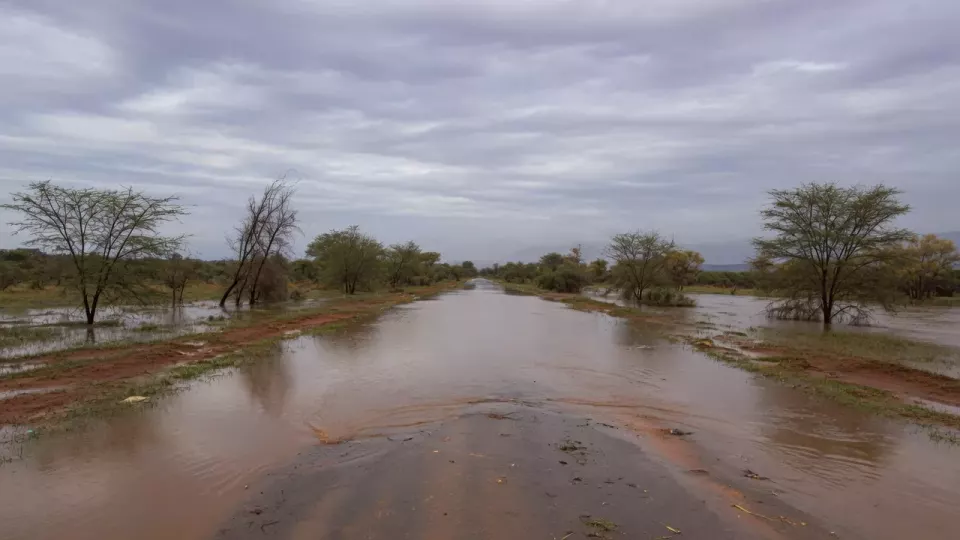
Nairobi’s flood drains clog when plastics are not recovered. Respecting pickers is flood control and climate policy with a human face.
Environment contacts: directory.
Based on AllAfrica/African Arguments analysis of Dandora and Kenya’s green transition; site conditions evolve.