Two persons of interest arrested in probe into psychologist Victoria Mutiso shooting

Key points
- DCI reports two persons of interest arrested in the Mutiso shooting probe.
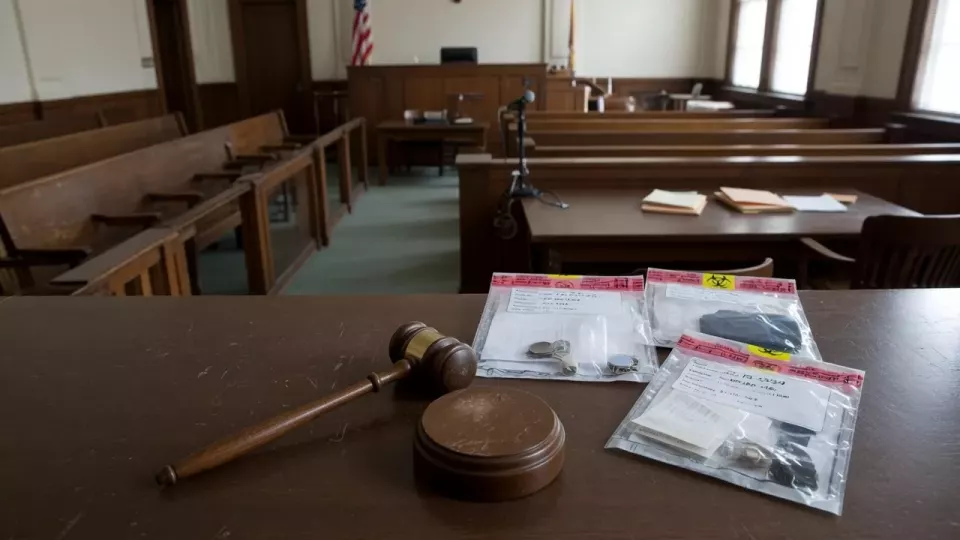
- Searches of linked premises reportedly recovered exhibits.
- Prior disturbing incidents were reported in earlier coverage; facts remain for court.
- Public appeals for tips should go through official DCI channels.
Updated August 2026. Related process guides and hubs linked below for readers who need next steps.
Detectives have arrested two persons of interest in the investigation into the shooting of psychologist Dr Victoria Mutiso, with the Directorate of Criminal Investigations saying searches recovered exhibits from linked premises.
Eastleigh Voice and Nation.Africa reported the arrests as part of an active homicide probe. Earlier coverage described a series of disturbing incidents preceding the killing, according to public reporting — details that remain subject to verification in court.
ZaKenya is not republishing unverified personal allegations beyond what multiple outlets have already put in the public domain. Named suspects are persons of interest unless and until charged and convicted.
High-profile killings of professionals shake public confidence, especially when early narratives involve stalking or prior threats. The investigative test is chain of custody on exhibits and speed to formal charges.
Family and colleagues deserve space; social media speculation often retraumatises without helping the file.
Anyone with verified information should contact DCI through official channels rather than circulating rumours.
Sources: Eastleigh Voice · Nation.Africa. This report paraphrases publicly available reporting; it does not republish third-party full text.
For readers tracking this story, the reliable next step is to separate what has already been verified in the published account from what still depends on official follow-up — court filings, agency circulars, company statements or county budget lines. Where the original report lists institutions, named officers or dollar/shilling figures, those anchors remain the ceiling of what can be stated without fresh primary documents.
Process matters as much as the headline. Affected residents, businesses or claimants should keep reference numbers, payment receipts, OB entries or written correspondence where relevant, and should treat social-media summaries as secondary until they match an official update. Journalists and civic monitors will look for the next scheduled hearing, disbursement batch, regulatory notice or implementation timeline rather than for recycled opinion.
Stakes for the public are practical: service delivery, legal rights, money, safety or market access. If later official numbers revise an early tally, the later figure controls. This expansion does not add new statistics, new quotes or new named actors beyond those already present in the article body above; it only clarifies how to read the existing facts and what to watch next without inventing outcomes.
Where a matter is before investigators or courts, allegations remain unproven until tested. Bail conditions, charge sheets and judgment text — not campaign speeches — decide the legal position. Watchers should note next mention dates and whether any exhibits or witness lists are made public.
Service and consumer angles turn on written rules: contracts, tariffs, circulars and statutory timelines. Users should confirm current guidance on the operator’s or regulator’s official channel before acting on a news paraphrase, especially where fees, penalties or emergency obligations are involved.
Political claims harden only when parties publish instruments — nominations, coalition pacts, IEBC notices or parliamentary motions. Until then, tour schedules and interview lines are positioning, not ballot outcomes. Voters should match pledges against budgets and statutory calendars.