Chuka student denies charges over alleged TikTok remarks on Ruto family

Key points
- Chuka University student Hesbon Mauti Thomas pleaded not guilty.
- Charges relate to alleged offensive TikTok remarks about President Ruto and family.
- Multiple Kenyan outlets reported the court appearance; facts remain allegations until proven.
- Case sits at the intersection of online speech, politics and criminal law.
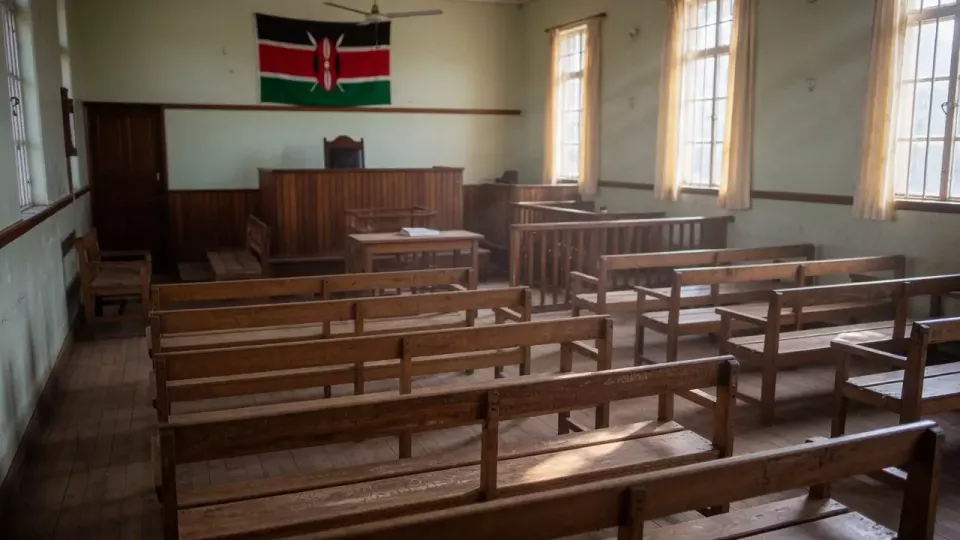
A Chuka University student has pleaded not guilty to charges arising from alleged offensive remarks about President William Ruto, his son George, and his daughter that were said to have been posted on TikTok.
According to reporting by Nation.Africa, Capital FM and Eastleigh Voice, Hesbon Mauti Thomas appeared in court and denied the accusations. Prosecutors allege the online content crossed the line into offensive or unlawful speech directed at the Head of State and close family members.
Social-media cases involving criticism of political figures remain sensitive in Kenya. Courts generally examine the exact wording, context and platform metadata before deciding whether a post is protected expression or a criminal offence under existing statutes.
Defence teams in similar matters often argue that political speech should be given wide latitude, while prosecutors emphasise the need to curb harassment and threats. Until the evidence is tested, the allegations remain unproven; the presumption of innocence applies.
The case will be watched by free-speech advocates and digital-rights groups because it sits at the intersection of TikTok virality, election-cycle politics and Kenya’s speech laws. Hearing dates and any bail conditions will be set by the trial court.
Readers should treat circulating screenshots and reposted clips with caution until the court record is complete. ZaKenya will update this file as verified court proceedings continue.
Sources: Nation.Africa · Eastleigh Voice · Capital FM. This report paraphrases publicly available reporting; it does not republish third-party full text.
For readers tracking this story, the reliable next step is to separate what has already been verified in the published account from what still depends on official follow-up — court filings, agency circulars, company statements or county budget lines. Where the original report lists institutions, named officers or dollar/shilling figures, those anchors remain the ceiling of what can be stated without fresh primary documents.
Process matters as much as the headline. Affected residents, businesses or claimants should keep reference numbers, payment receipts, OB entries or written correspondence where relevant, and should treat social-media summaries as secondary until they match an official update. Journalists and civic monitors will look for the next scheduled hearing, disbursement batch, regulatory notice or implementation timeline rather than for recycled opinion.
Stakes for the public are practical: service delivery, legal rights, money, safety or market access. If later official numbers revise an early tally, the later figure controls. This expansion does not add new statistics, new quotes or new named actors beyond those already present in the article body above; it only clarifies how to read the existing facts and what to watch next without inventing outcomes.
Where a matter is before investigators or courts, allegations remain unproven until tested. Bail conditions, charge sheets and judgment text — not campaign speeches — decide the legal position. Watchers should note next mention dates and whether any exhibits or witness lists are made public.
Political claims harden only when parties publish instruments — nominations, coalition pacts, IEBC notices or parliamentary motions. Until then, tour schedules and interview lines are positioning, not ballot outcomes. Voters should match pledges against budgets and statutory calendars.