PEV Rape Survivors Ask Supreme Court for Equal Compensation
Key points:
- Survivors of post-election sexual violence from 2007–08 have a matter before the Supreme Court on equal compensation.
- The case sits within Kenya’s wider, unfinished reparations debate after the PEV crisis.
- Advocates argue sexual-violence survivors have been treated unevenly compared with other victim categories.
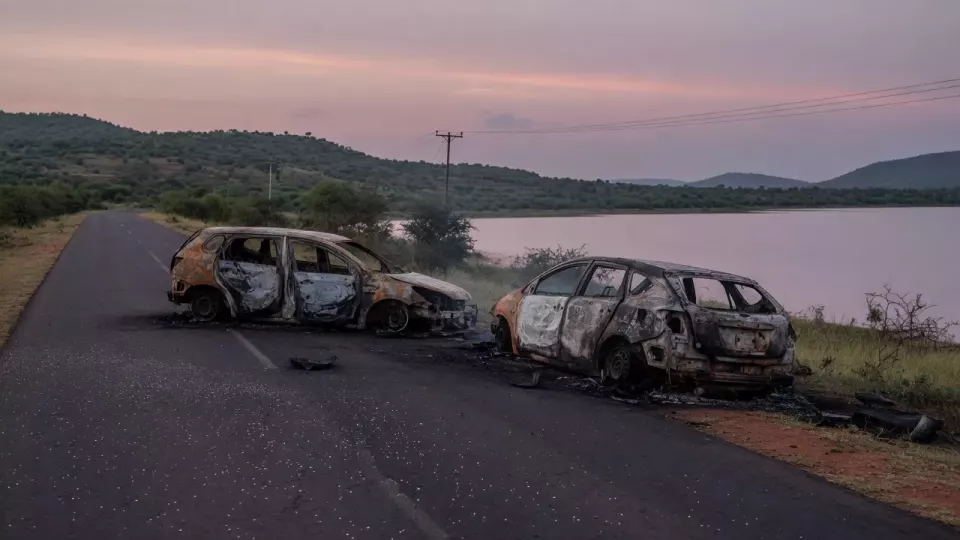
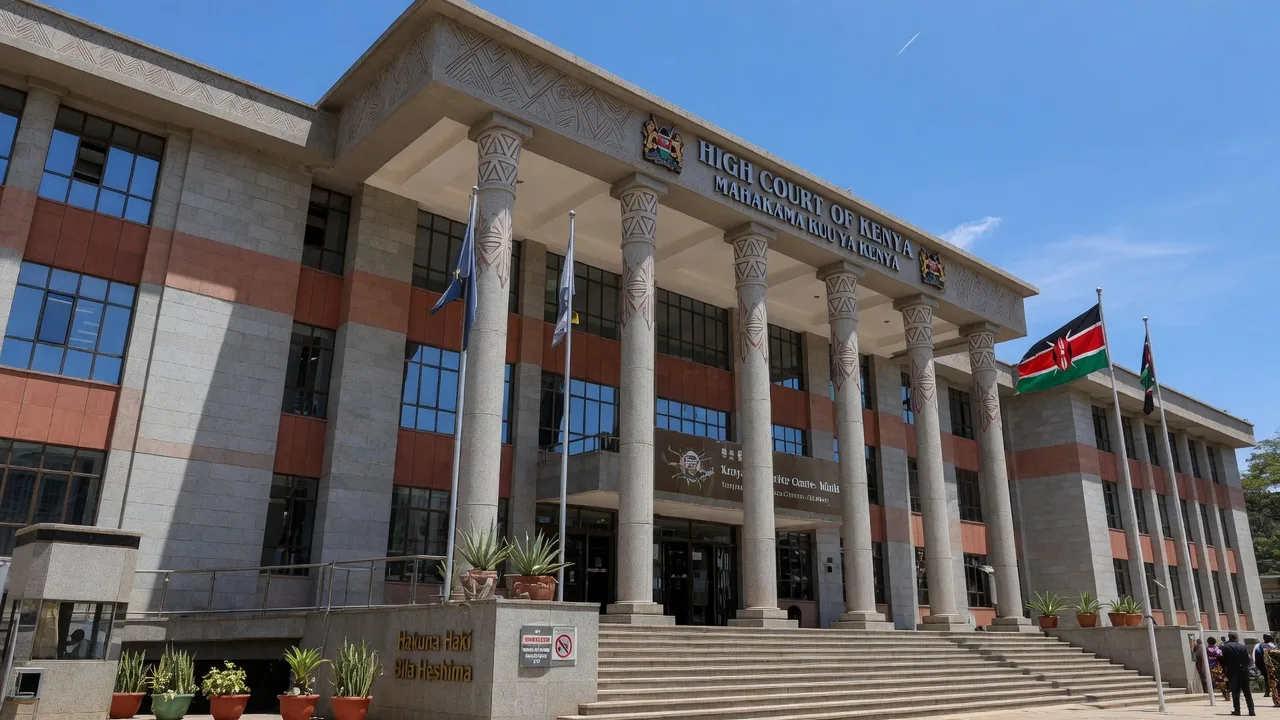
Survivors of rape and other sexual violence during Kenya’s 2007–08 post-election violence have carried their demand for equal compensation to the Supreme Court, according to clustered reporting from Kenyan outlets in late July 2026.
The petitions sit against a long arc of incomplete redress. After the crisis that killed more than a thousand people and displaced hundreds of thousands, successive governments promised restorative measures—truth-seeking, prosecutions and reparations—with uneven delivery. Survivors of sexual violence have often said their harms were documented in commissions and NGO reports yet left at the margins of cash and medical support schemes that prioritised other categories of loss.
What the court fight is about
At the core is equality of treatment: whether the state must compensate PEV sexual-violence survivors on terms comparable to other recognised victims, and whether earlier administrative or High Court outcomes adequately protected that right. Exact prayers differ by petition, but the public theme is consistent—recognition, parity of remedy, and an end to procedural delay.
Rights groups that have accompanied survivors for more than a decade argue that medical, psychosocial and economic needs do not expire with political cycles. State lawyers typically stress fiscal limits, verification challenges and the need for orderly schemes rather than open-ended liability.
Why the Supreme Court step matters
A Supreme Court determination can set a national standard that lower courts and the executive must follow. For survivors now in middle age, the case is also about time: many first reported attacks nearly twenty years ago. For Kenya’s broader transitional-justice record, it is a test of whether sexual violence is treated as a central atrocity of the PEV period—or a footnote.
ZaKenya will update this report when the Court issues directions or a judgment. Readers seeking support services should use established survivor hotlines and accredited counselling centres rather than social-media appeals.
Sources: Clustered Kenyan legal/political reporting on the Supreme Court PEV survivors matter, late July 2026. Sensitive details of individual assaults are intentionally omitted.