Feed manufacturers push for GM crops as raw-material crisis bites
Key points
- Kenya’s animal feed industry faces high volatility, relying on nearly 20 different raw materials.
- Feed manufacturers are pushing for greater use of GM crops to ease raw-material shortages and price spikes.
- The debate pits livestock productivity against long-running public and political caution on GMOs.
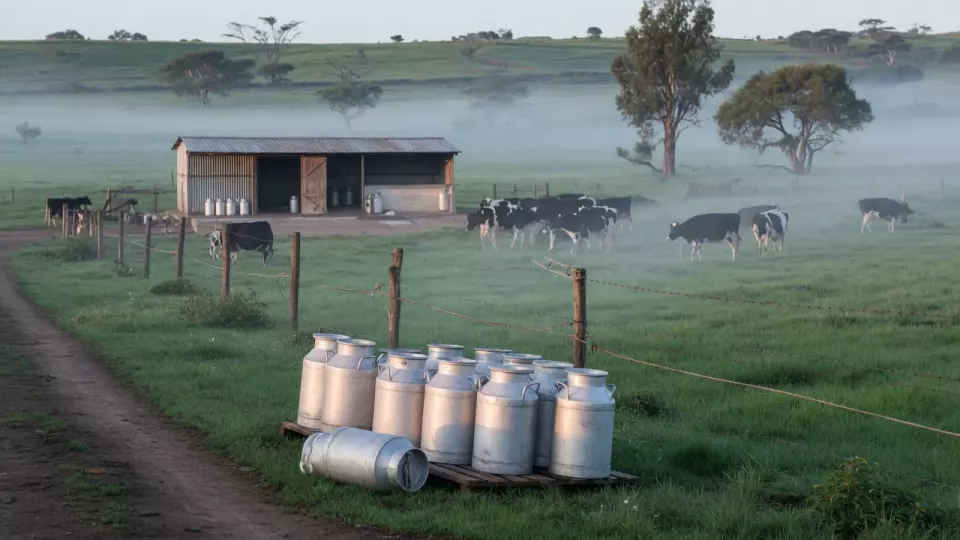
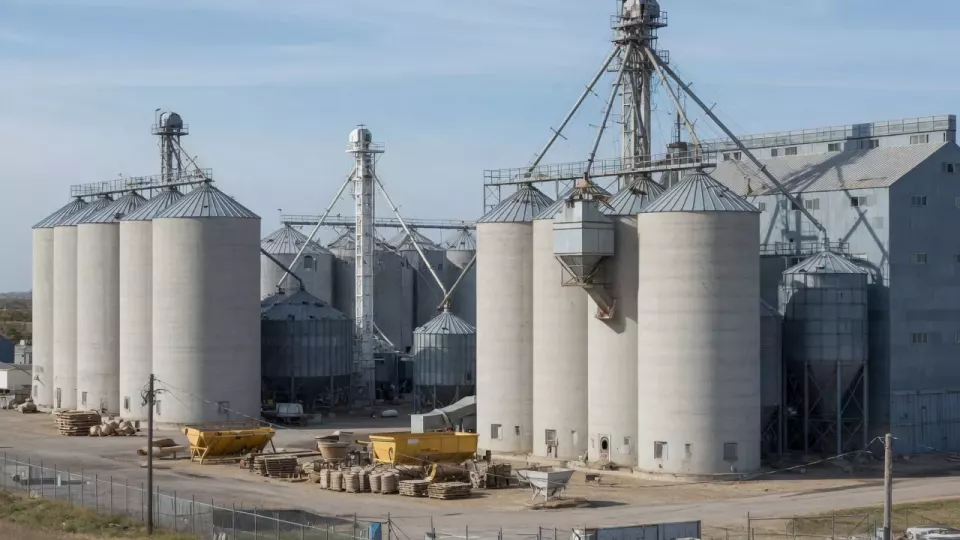
Chicken and milk prices often start in the feed mill. Standard Business reports that feed makers are pushing for GM crops as a raw-material crisis bites, describing Kenya’s feed market as highly challenging because manufacturers depend on nearly 20 different raw materials with unstable supply.
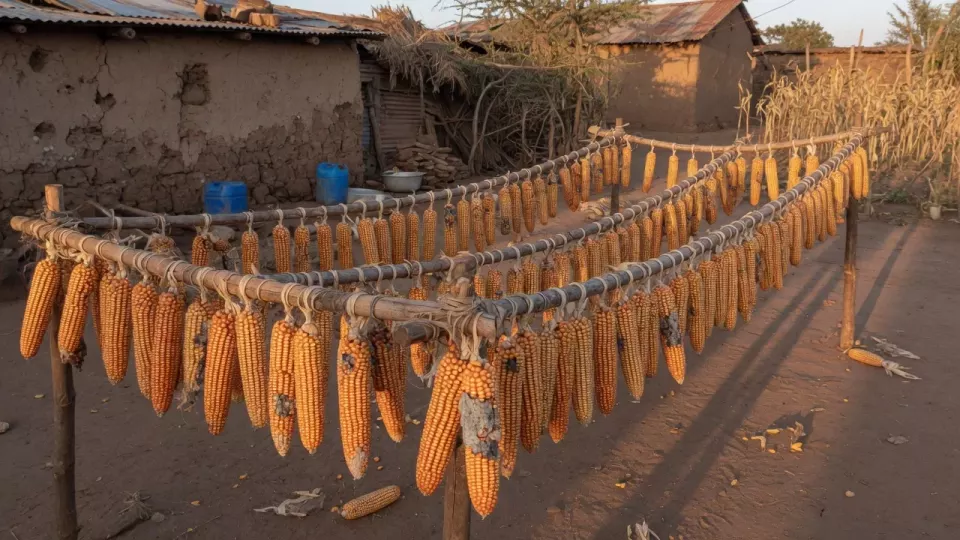
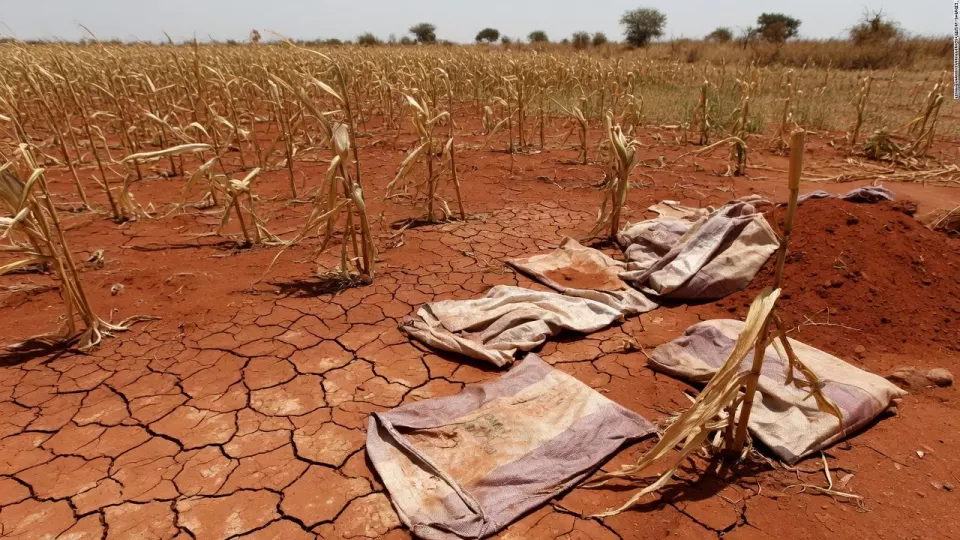
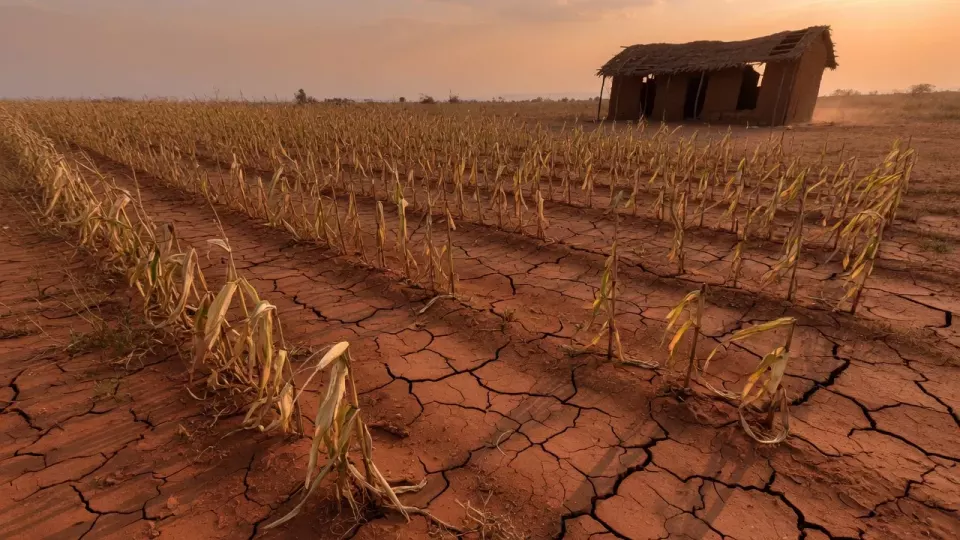
Yellow maize, soy, additives and oilseed cakes move with weather, import forex and regional export bans. When feed spikes, farmers cull flocks, eggs vanish from low-income plates, and inflation narratives heat up. Industry sees GM varieties as a yield and pest-resilience tool; critics demand strict biosafety, labelling and farmer choice.
Policy middle path
Science-based approvals, transparent field data, and segregated supply chains where markets want non-GM. Blanket bans that ignore feed inflation export the crisis to household budgets; reckless approvals without monitoring export risk to ecology and trade certificates.
Livestock value chains (dairy, poultry, aquaculture) need a published raw-material strategy: strategic reserves, regional trade diplomacy, and R&D for local protein alternatives such as insects or oilseed expansion.
Consumer stake
Stable feed is stable protein. The GM debate should be grounded in prices and evidence, not only slogans.
Agriculture contacts: directory.
Based on Standard Business reporting of feed industry positions; biosafety decisions rest with competent authorities.