Dangote targets Lamu for Sh2.2tn, 700,000-bpd refinery plan
Key points
- Preferred site: Lamu County / Lamu Island for a Dangote-linked refinery plan.
- Scale cited: about Sh2.2 trillion capex; ~700,000 barrels per day (East Africa’s largest if built).
- Early works: design, engineering and soil testing; build horizon about five years.
- Finance mix discussed: internal cash, bonds, IPO proceeds; regional offtake pitch covers Kenya, Uganda, Tanzania, South Sudan and DRC.
Seven hundred thousand barrels a day is the throughput number attached to a Sh2.2 trillion Lamu refinery concept that Africa’s richest industrialist, Aliko Dangote, is reported to have preferred for Kenya — a scale that would rank second on the continent only to his Lagos complex, Capital FM reported, citing Bloomberg.
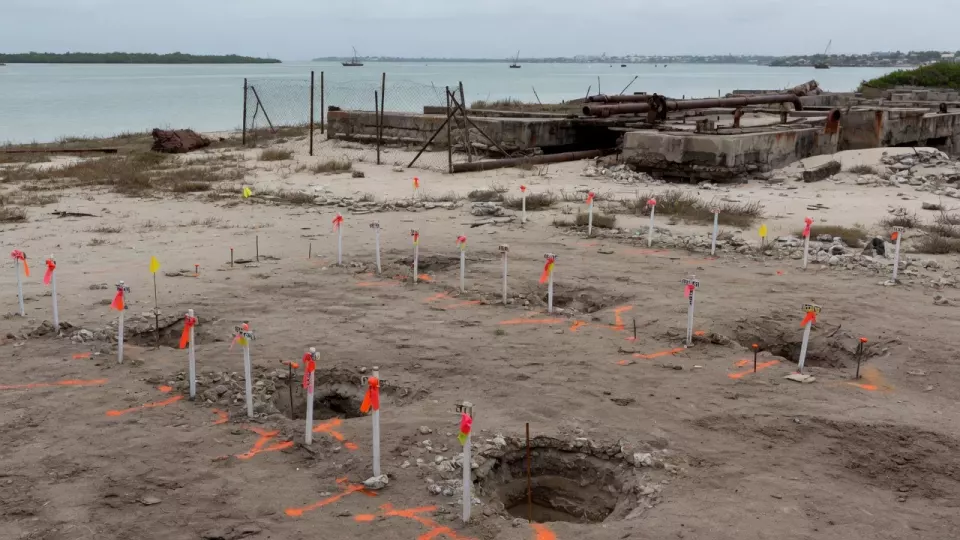
A site on Lamu Island is already in the early technical loop: preliminary design, engineering and soil tests. Construction, people familiar with the plan told the wire, would take about five years, with money stacked from internal resources, corporate bonds and a possible IPO — none of which is a final investment decision stamped by Nairobi regulators.
Policy ask and regional map
At Nairobi’s “Africa We Build” summit, Dangote had floated a 650,000-bpd East Africa plant if governments provide policy support, promising a twin of the Nigerian model in four to five years. The market story is regional: serve Kenya, Uganda, Tanzania, South Sudan and the DRC, cut dependence on imported refined products, and hardwire energy security into LAPSSET-adjacent infrastructure politics.
Environmental, land and community consent fights are not footnotes in Lamu. A plant this size will face ESIA scrutiny, coastal ecology claims and security costs that do not appear in a summit soundbite. EPRA, NEMA and county planning will be as decisive as Dangote’s balance sheet.
What investors and residents should demand
Published timelines for ESIA, land acquisition and offtake MoUs; local content percentages; and a spill-response plan before groundbreaking photos. Business desk: Business.
Parliament’s energy committee can require a white paper on how a private mega-refinery interacts with existing import contracts and pipeline plans. Fishers and landowners need a named grievance channel, not only jobs promises. Until FID is public, treat 700,000 bpd as a design target, not a completed asset.
Based on Capital FM’s account of Bloomberg reporting and Dangote’s earlier Nairobi remarks. Project scale and siting remain subject to company and government confirmations.