UN Flags Covert Flights, Mercenaries and Drones Fuelling Sudan’s War
Key points:
- UN material points to covert aviation and mercenary channels sustaining Sudan’s war.
- Drones and external fighters feature as force multipliers for conflict parties.
- The findings raise pressure on states and firms enabling logistics corridors.
Logistics of a long war
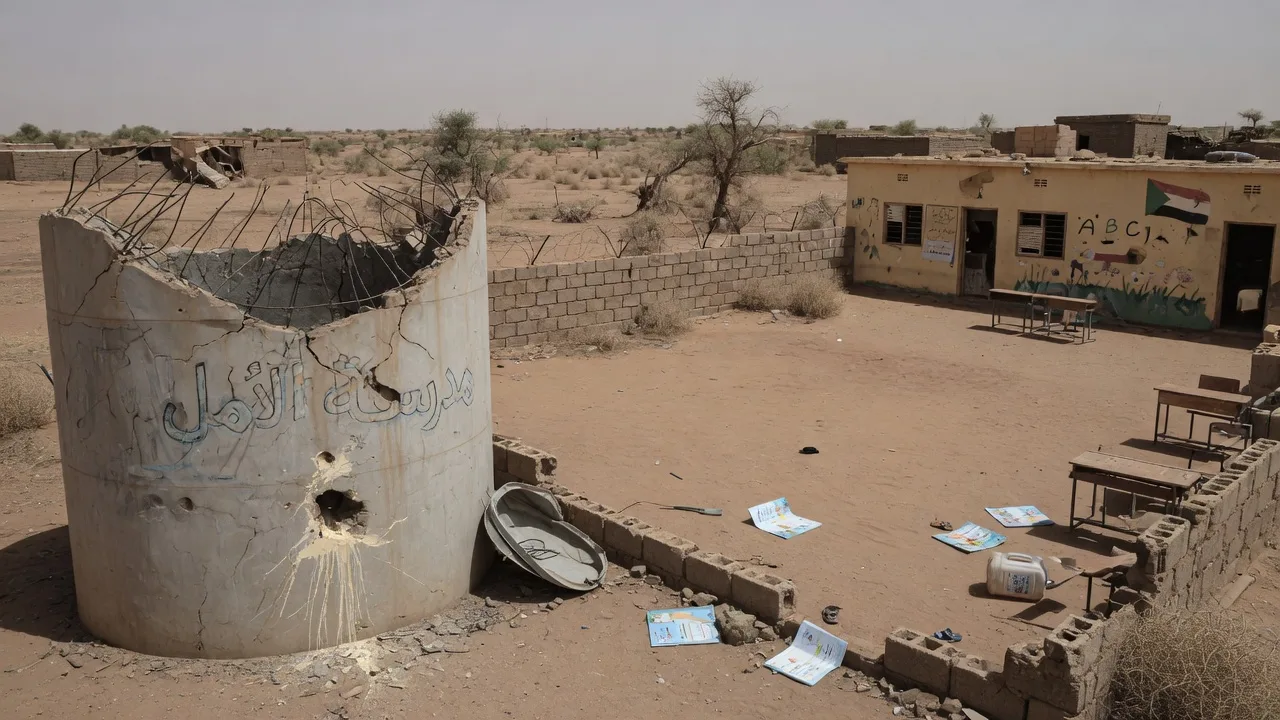
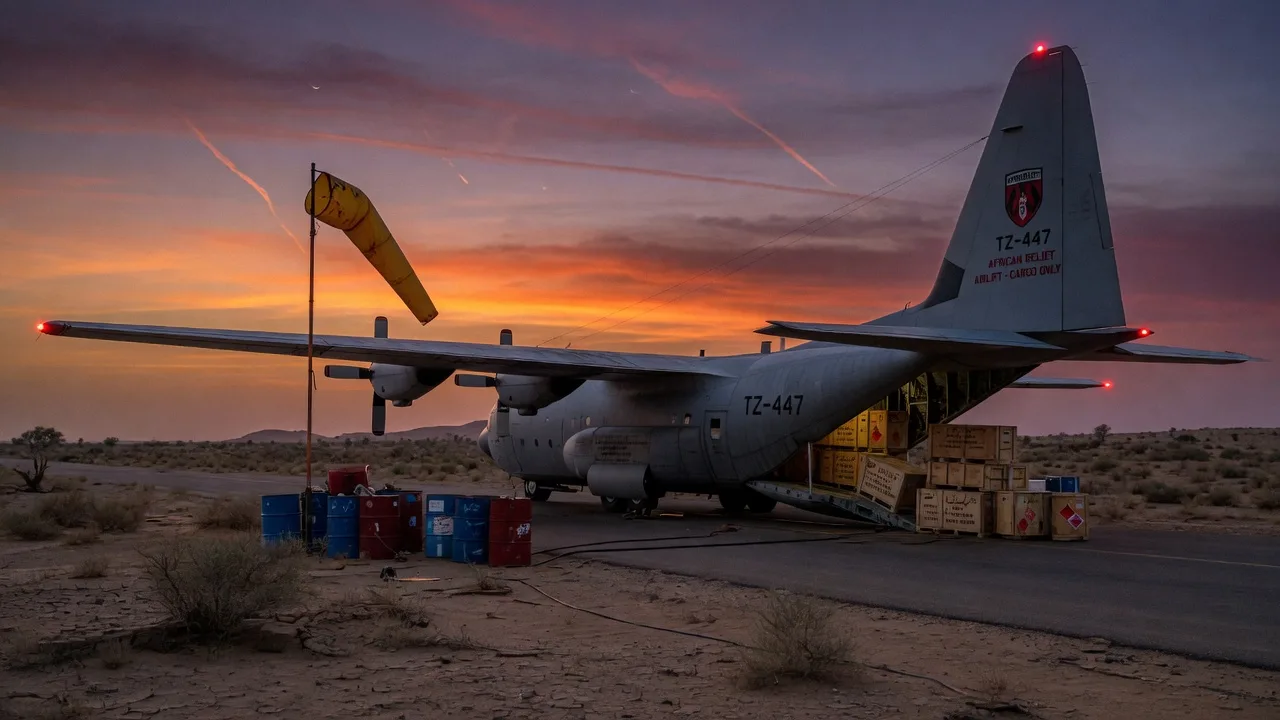
United Nations reporting has exposed a covert flight network alongside mercenaries and drones that are fuelling Sudan’s war, Nation.Africa summarised in late July 2026 coverage drawing on UN findings.
Sudan’s conflict has long been more than two armies trading artillery in Khartoum and Darfur. External logistics—aircraft, spare parts, cash and contractors—decide how long fronts can hold. Covert flights are the bloodstream of that economy.
East African stakes
Drones lower the cost of striking infrastructure and opponents without large troop concentrations, while mercenary networks blur accountability. UN monitors have repeatedly warned that outside enablers prolong civilian suffering even when front lines appear static.
For Kenya and the wider region, Sudan is a neighbour-of-neighbours problem: refugee pressure, Red Sea risk, and diplomatic bandwidth spent on mediation tracks hosted in East African capitals. Arms and logistics networks rarely respect single borders.
Naming networks is step one; sanctions enforcement and airport diligence are step two. Without the latter, UN reports become archives while cargo still flies.
Sources: Nation.Africa Africa desk summarising UN Sudan reporting, July 2026.