What Kenyan Media History Left in the Ashes
Key points:
- Early non-white-owned mainstream newspapers in Kenya faced political and economic headwinds.
- Much of that press history survives only in fragments—ashes, archives and memory.
- Today’s digital outlets inherit the same vulnerability to power and capital.
A fragile archive
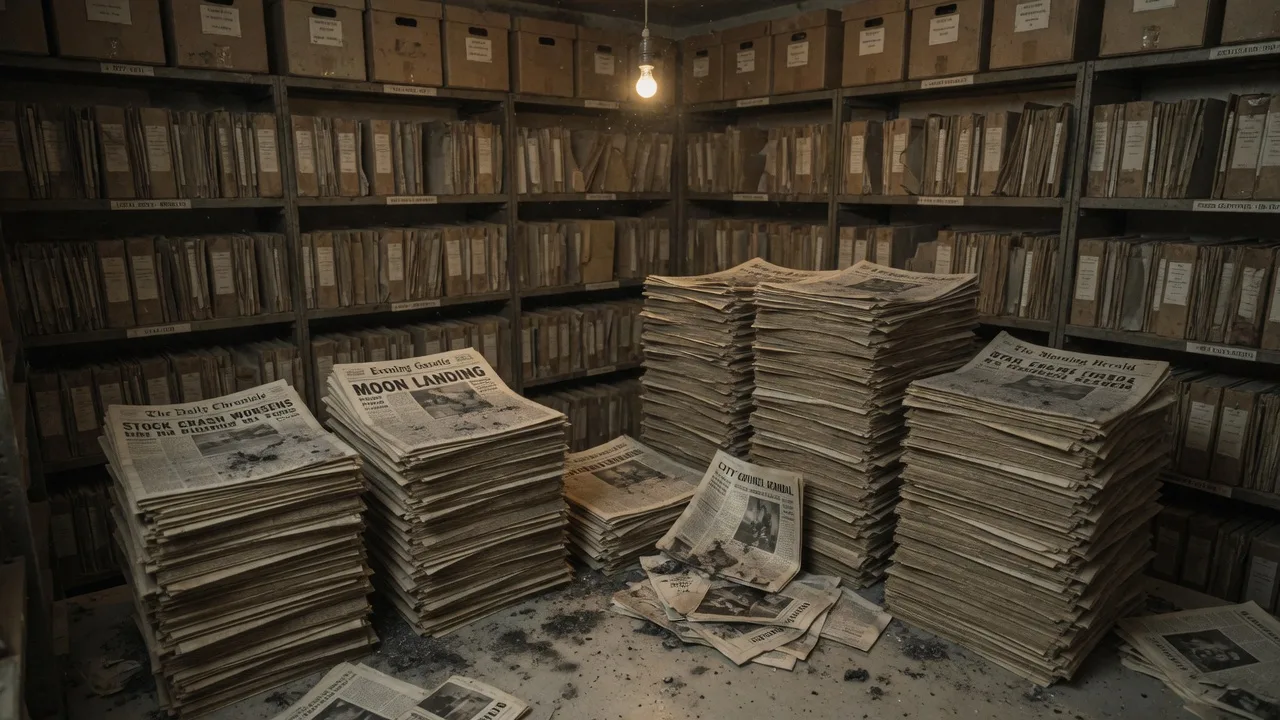
A Nation.Africa opinion essay, “Media: What we found in ashes,” revisits the first non-white-owned mainstream newspapers established in Kenya and the forces that erased or marginalised many of them. The metaphor of ashes is literal and archival: burnt newsrooms, lost issues, and stories that never entered the official national narrative.
Colonial and early post-independence politics shaped who could print, advertise and distribute. Papers that challenged power paid in licences, lawsuits, advertising droughts or violence. What remains is often incomplete—exactly why media historians treat surviving bound volumes as treasures.
Lessons for digital newsrooms
Modern Kenyan journalism still runs on thin margins. Digital reach is wide; paying subscribers and independent capital are not. Ownership concentration and political advertising create new versions of old dependencies.
Remembering dead titles is not nostalgia. It is a map of how easily a public sphere shrinks when owners, printers and sources are squeezed at once.
Press-freedom debates that ignore economic structure miss the lesson in the ashes: speech rights without sustainable newsrooms produce silence by other means.
Sources: Nation.Africa opinion on Kenyan media history.