State to Take 60% of Excess Profits on Rironi-Mau Toll Road
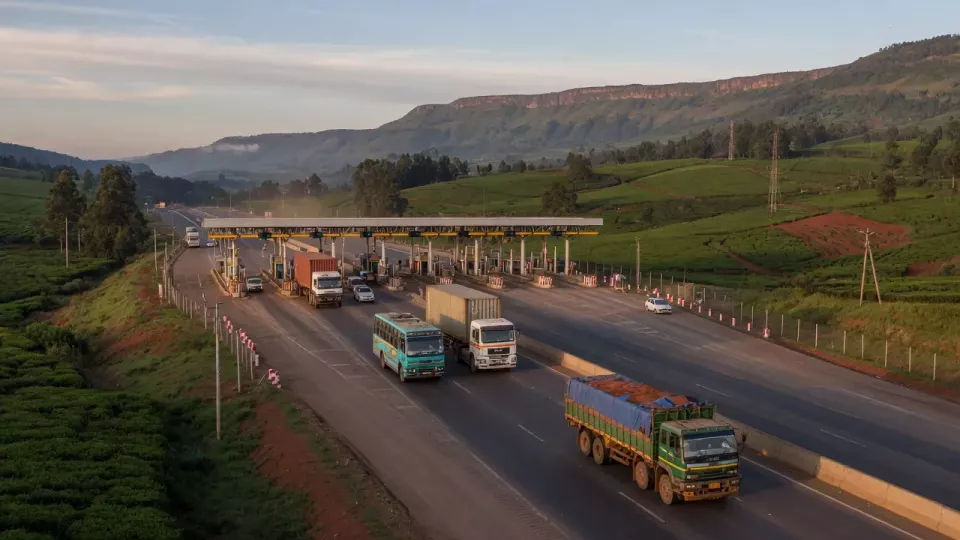
Under the commercial structure reported for the Rironi–Mau toll highway, the Kenyan state is set to receive 60 percent of excess profits once the project clears agreed return thresholds—leaving the balance to the private concessionaire.
The clause is designed to stop a public road from becoming an open-ended windfall for investors if traffic and toll revenue outperform base-case models. In theory, that protects the public interest while still offering financiers a bankable floor return.
Why excess-profit sharing is used
Toll PPPs must balance three pressures: building a road quickly, keeping tolls politically tolerable, and repaying lenders. Profit-sharing above a hurdle rate is one tool—alongside tariff reviews and traffic guarantees—to share upside when corridors get busier than forecast.
What motorists should ask
- How often toll rates can be adjusted for inflation
- What counts as “excess” profit in the contract definitions
- Whether service standards (safety, lighting, response times) are enforceable
If implemented transparently, the 60 percent split can improve the politics of tolling. If definitions are opaque, it will fuel suspicion every time tariffs rise. Publication of simplified contract summaries would help the public track whether the model is working as sold.