Kenya's Recurring Flood and Drought Cycles: Climate Vulnerability and Disaster Risk Reduction Challenge Development Progress
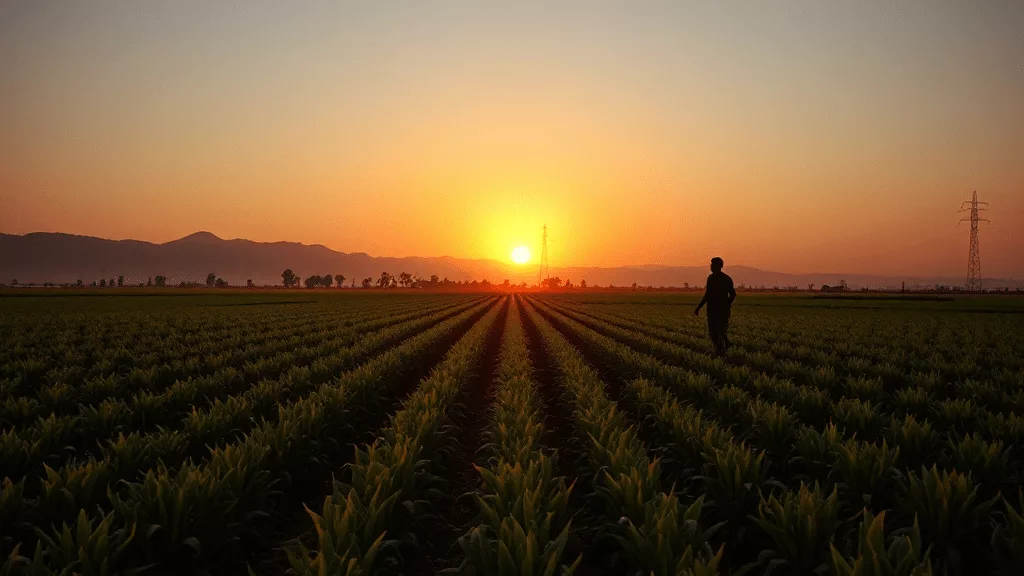
Kenya's vulnerability to climate extremes intensified dramatically during 2023-2024, experiencing a calamitous sequence of severe drought followed by excessive rainfall, demonstrating the nation's inadequate preparedness for increasingly volatile precipitation patterns characteristic of climate change impacts across East Africa. The 2022-2023 drought, attributed to successive failed rainy seasons, decimated pastoral livelihoods, killing approximately 700,000 livestock and displacing 1.2 million pastoralists across northern Kenya. The Kenya Meteorological Department issued inadequate early warning, with pastoral communities receiving notification of drought severity only after livestock mortality reached catastrophic levels. Recovery progress remained incomplete when excessive rainfall commenced in October 2024, generating flooding that displaced an additional 340,000 people, damaged infrastructure, and destroyed standing crops in affected regions.
The oscillating climate extremes illustrated systemic failures in disaster risk reduction infrastructure and early warning system functionality. Kenya's early warning system, nominally incorporating satellite precipitation monitoring, ground-based meteorological stations, and predictive modeling, failed to provide actionable intelligence enabling proactive disaster mitigation. The meteorological department, constrained by equipment limitations and personnel shortages, could not generate sufficiently granular forecasting enabling pastoral communities to implement livelihood protection strategies with adequate lead time. Conversely, when excessive rainfall commenced in late 2024, warning systems provided 7-10 day advance notification, enabling some evacuation and damage mitigation, but insufficient coordination among national and county authorities hindered response effectiveness.
Pastoral livelihood vulnerability requires comprehensive disaster risk reduction approaches combining climate monitoring, livelihood diversification, and strategic reserve systems preventing catastrophic asset losses during extreme events. The Kenyan government's National Drought Management Authority operates the Livestock Early Warning System monitoring pastoral rangeland conditions, animal body condition scores, and market prices indicating livelihood stress. However, LEWS operates with limited spatial resolution, providing county-level intelligence insufficient for targeted intervention at community scale. Pastoral communities in Turkana, Samburu, Marsabit, and Mandera counties experience localized rainfall variability exceeding county averages, requiring higher resolution monitoring enabling community-specific early warning. The government piloted enhanced early warning approaches utilizing satellite vegetation indices and community-based livestock monitoring networks, but resource constraints have hindered scaling to provide comprehensive coverage across pastoral regions.
Water resource management infrastructure presents another critical vulnerability dimension. Kenya's water catchment areas have experienced significant degradation through forest clearance for agricultural expansion and urban development, reducing rainfall infiltration and groundwater recharge. The Lake Turkana basin, critical for pastoral communities across northern Kenya, has experienced declining water levels throughout the past two decades, reflecting reduced precipitation and increased upstream abstractions. Groundwater dependence has increased correspondingly, but borehole development has proceeded without comprehensive aquifer assessment ensuring sustainable extraction levels. The Water Resources Management Authority identified that approximately 34% of pastoral region boreholes operate above sustainable yield levels, creating conflicts as pastoral communities compete for increasingly scarce groundwater resources.
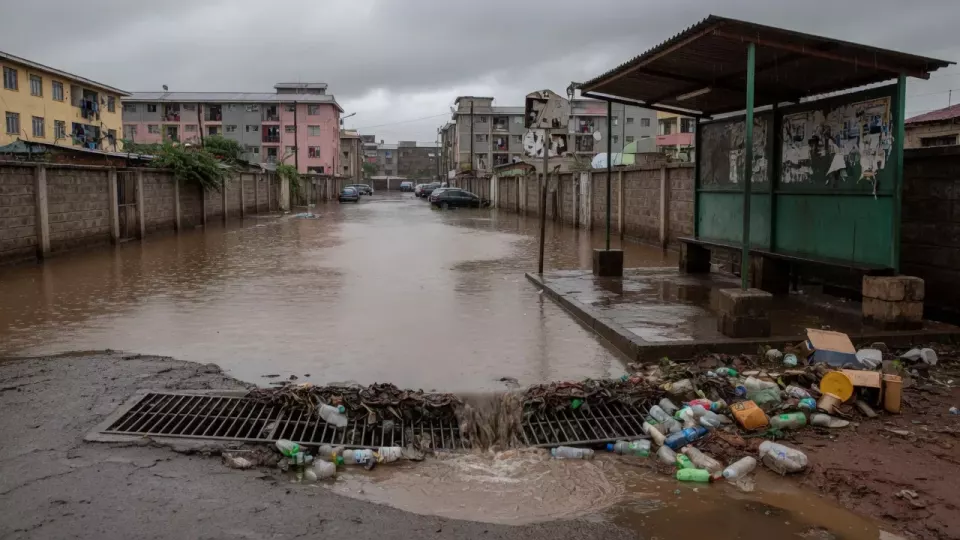
The 2024 flooding demonstrated inadequate drainage infrastructure in urban areas, with Nairobi, Mombasa, Kisumu, and other major cities experiencing severe inundation despite rainfall totals not exceeding historical extremes. Informal settlement populations, comprising approximately 60% of Nairobi residents, faced extreme vulnerability to flood damage due to inadequate shelter construction and exposure to contamination from overwhelmed sanitation systems. The Ministry Of Health reported approximately 1,200 disease outbreak cases in flood-affected areas, including cholera, typhoid, and malaria clusters, indicating that climate hazard impacts extended beyond immediate displacement to disease transmission consequences. Municipal authorities lacked adequate drainage maintenance, with approximately 47% of Nairobi's drainage systems experiencing operational deficiencies limiting flood conveying capacity.
Adaptation strategies emphasize livelihood diversification enabling pastoral communities to maintain income sources independent of rangeland productivity. Government initiatives have promoted irrigated agriculture, small-scale livestock diversification including poultry and apiculture, and non-farm income activities including petty trading and craft production. However, market access constraints and limited capital availability have hindered adoption at scales generating meaningful livelihood security. The Kenya Climate Change Directorate estimated that achieving climate-resilient development trajectories requires public and private sector investments totaling approximately 40 billion dollars through 2030, resources substantially exceeding current budget allocations. Without transformative climate adaptation investment, Kenya's development progress will continue facing disruption from intensifying climate extremes, perpetuating vulnerability cycles affecting millions of citizens.