IGAD Regional Summit 2025: Horn of Africa Security and Development Coordination Amid Competing Strategic Interests

The Intergovernmental Authority on Development convened its January 2025 summit in Addis Ababa to address persistent security challenges, climate-induced humanitarian crises, and development coordination across the strategically significant Horn of Africa region. The IGAD bloc comprises eight member states?Kenya, Ethiopia, Eritrea, Somalia, Djibouti, Sudan, South Sudan, and Uganda?encompassing approximately 220 million people and territory spanning one-fifth of the African continent. Regional security dynamics have deteriorated significantly since 2023, with Al-Shabaab terrorism intensifying across Somalia and Kenya, insurgent violence accelerating in Ethiopia's border regions, and Sudan's civil conflict generating humanitarian catastrophe affecting neighboring nations through refugee influxes and economic disruption.
Kenya's presidency during the 2024-2025 IGAD cycle positioned the nation as lead coordinator for regional initiatives, though implementation capacity constraints and diplomatic tensions complicated effectiveness. The Kenya-Somalia border remains characterized by militant infiltration challenges, with Al-Shabaab conducting periodic incursions generating civilian casualties and displacing thousands. The Kenya Defence Forces maintained counter-terrorism operations throughout 2024, deploying approximately 4,200 troops in Somalia under African Union Mission framework, while simultaneously managing domestic security pressures from Al-Shabaab-affiliated cells operating in Kenya's coastal and northeastern regions. The humanitarian costs of insecurity included approximately 320,000 newly displaced persons in Kenya during 2024, straining public services and development resources.
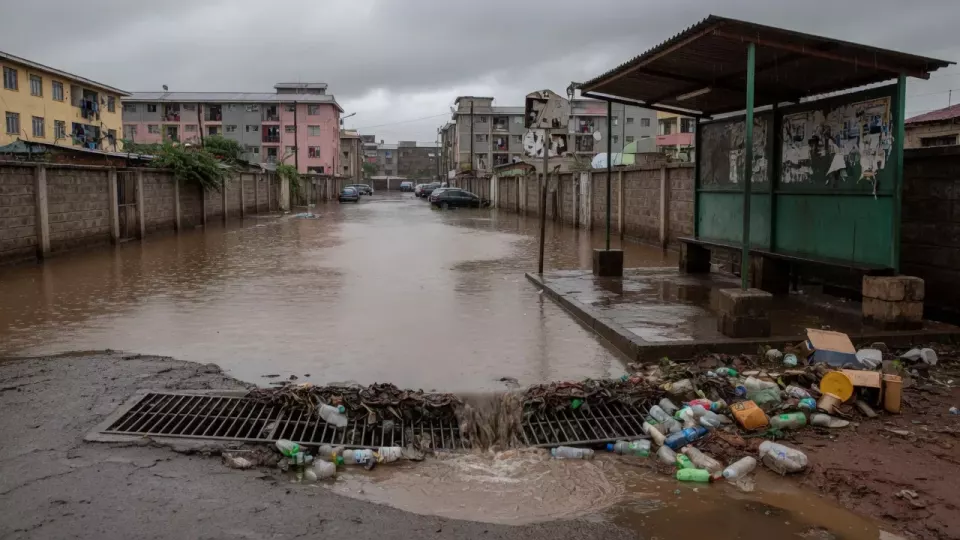
Climate-induced humanitarian crises intersected with security challenges in generating compounded regional destabilization. The Horn of Africa experienced severe drought conditions during 2023-2024, followed by excessive rainfall and flooding in late 2024, creating yo-yo precipitation patterns inconsistent with sustainable livelihood management. Ethiopia's Tigray region experienced famine conditions during 2023, though subsequent rainfall improved food security trajectories. Kenya's pastoral regions maintained severely constrained livestock production, with pastoral incomes declining 46-52% compared to pre-drought levels. The IGAD drought monitoring framework projected that approximately 42 million people across the region would require humanitarian assistance during 2025, with 6.8 million in Kenya alone. Water scarcity intersected with environmental degradation through rangeland deterioration, threatening pastoral livelihoods and creating instability drivers independent of security conflict.
External geopolitical interests complicated IGAD coordination, with multiple international powers seeking strategic influence across the region. The United States maintains significant military and development engagement, including drone bases in Djibouti and counter-terrorism training partnerships. China has advanced economic interests through Belt and Road infrastructure initiatives and commercial relationships. The European Union provides humanitarian and development financing while maintaining diplomatic pressure regarding democracy and human rights standards. Russia has cultivated relationships in Ethiopia and Sudan. These competing interests created situations where member states receive conflicting strategic guidance regarding priorities, complicating regional consensus-building regarding security responses, economic coordination, and diplomatic positioning.
The January 2025 IGAD summit prioritized three primary agendas: advancing the Conflict Prevention and Regional Stability initiative addressing intra-state disputes and cross-border tensions; implementing the climate resilience and drought mitigation strategy coordinating early warning systems, livelihood protection, and humanitarian response; and advancing economic integration including customs union implementation, infrastructure connectivity, and monetary cooperation. However, member state commitment to these initiatives varied considerably, with some governments viewing IGAD primarily as diplomatic forums rather than binding coordination mechanisms. Sudan's ongoing civil conflict precluded meaningful participation, with the transitional government's representative attending under considerable dispute regarding legitimacy and decision-making authority.
Implementation of IGAD decisions historically faced limited success, reflecting weak institutional capacity, member state coordination challenges, and competing national priorities. The Conflict Prevention and Resolution Mechanism, established to address intra-state and interstate disputes, has limited enforcement capacity and operates through consensus decision-making vulnerable to blocking by parties to specific conflicts. The Regional Drought Resilience and Sustainability Initiative has achieved modest progress in early warning system development but struggles with coordinated livelihood intervention implementation across borders. Looking forward, IGAD's effectiveness during 2025-2026 depends upon whether member states prioritize collective solutions to security, climate, and development challenges, or whether fragmented national interests continue fragmenting regional coordination mechanisms.