Al-Shabaab Kills Six Police Officers in Kenya Border Attack
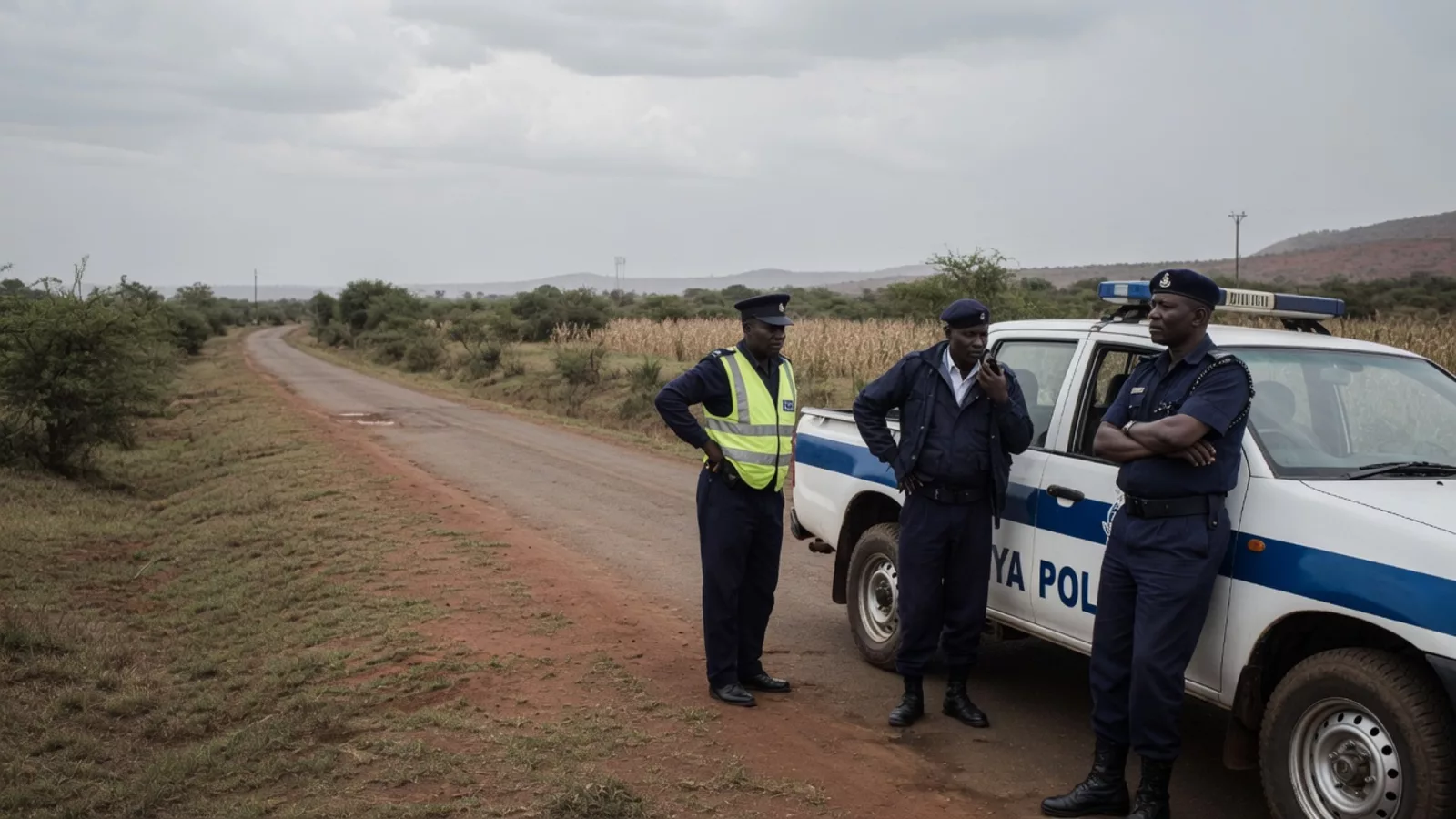
Six police officers were killed and four others seriously wounded when suspected Al-Shabaab militants launched a pre-dawn assault on a police reservists' camp in Garissa County, eastern Kenya, in March 2025. The attack, carried out near the porous Kenyan-Somali border, marks one of the deadliest single incidents against security forces in the region in recent years and has reignited urgent questions about Kenya's border security posture.
According to security sources, the attackers struck in the early morning hours when visibility was low, overwhelming the camp using assorted weapons in a coordinated offensive designed to maximize casualties before reinforcements could respond. Four officers sustained injuries in the assault and were evacuated to nearby medical facilities, while the attackers fled back across the border. The swift and calculated nature of the raid bears the hallmarks of Al-Shabaab operations that have targeted Kenyan security installations for over a decade.
Garissa County has long been one of Kenya's most volatile regions due to its proximity to Somalia, where Al-Shabaab maintains a significant operational presence. The militant group, affiliated with al-Qaeda and controlling large swathes of southern Somalia, has carried out dozens of cross-border attacks into Kenya since Kenyan Defence Forces entered Somalia in 2011 as part of the African Union Mission. Garissa's border towns and security outposts have been a recurring focus for the group, which regards Kenya as a legitimate target for its continued military involvement in the region.
The March 2025 attack did not occur in isolation. Security analysts and government officials noted it was part of a broader pattern of Al-Shabaab-linked incidents along the Kenyan-Somali frontier observed throughout 2025. Militants have exploited remote and thinly guarded entry points to stage hit-and-run attacks, intimidate local communities, and disrupt government operations across the northeastern counties. Kenya's National Police Service and the Kenya Defence Forces have periodically conducted joint operations along the border, but the vast and challenging terrain continues to provide cover for militant movements.
Kenya has paid a heavy price for Al-Shabaab's sustained campaign of violence over the years. The 2013 Westgate shopping mall siege in Nairobi and the 2015 Garissa University College massacre, in which 148 people, mostly students, were killed, stand as the most devastating examples. Those attacks prompted significant security reforms and deepened international counter-terrorism cooperation, yet the threat from across the border has proven stubbornly resilient.
The deaths of six police reservists in Garissa underscore the acute danger faced by front-line officers stationed in remote border areas, often operating with limited resources and backup. Kenyan security experts are calling on the government to fast-track the deployment of enhanced surveillance technology, increase personnel in border zones, and strengthen intelligence-sharing arrangements with Somali authorities and international partners. For the communities of northeastern Kenya, who have lived under the shadow of Al-Shabaab for years, the March attack is a painful reminder that the fight for lasting peace along the border remains far from won.