Kisumu Port Expansion Opens New Trade Corridor for Uganda and Rwanda
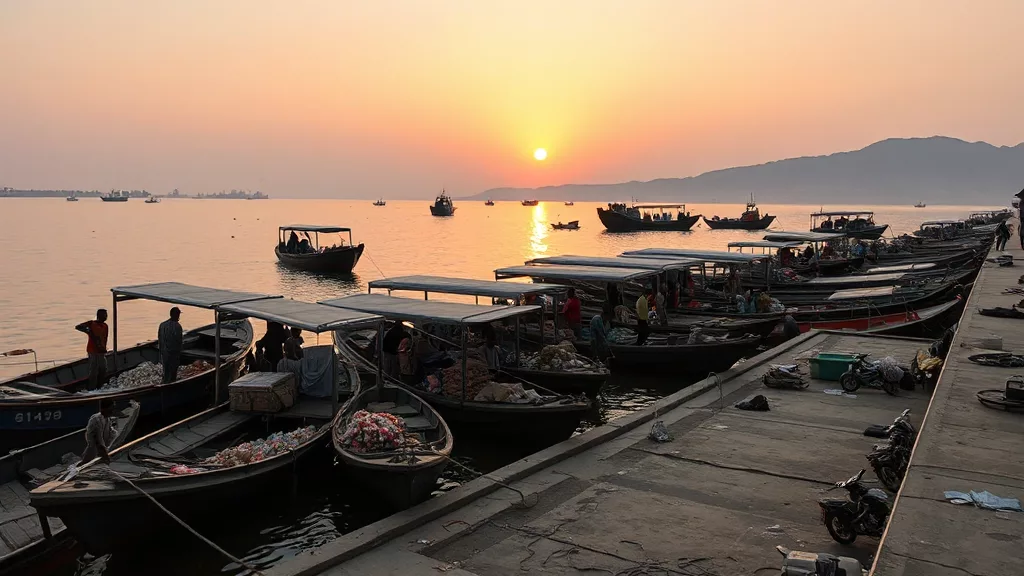
The expanded Kisumu Port was formally commissioned in April 2026 following a Ksh 8.3 billion upgrade, and after three months of commercial operation the early data confirms what proponents had long argued: Lake Victoria is a viable, cost-competitive freight artery that can rival road haulage for regional trade. Monthly cargo throughput at the port has averaged 47,000 tonnes since commissioning, already exceeding the project's first-year target of 40,000 tonnes per month.
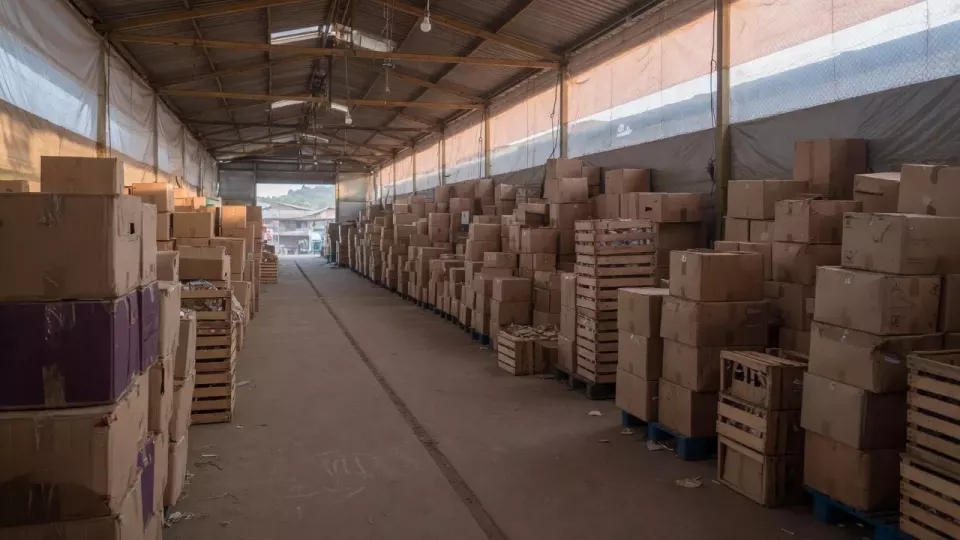
The expansion, funded jointly by the Kenyan government, the African Development Bank, and the European Union's Global Gateway infrastructure instrument, has added a new 320-metre main berth capable of handling vessels up to 1,500 DWT, a dedicated container handling yard with three ship-to-shore gantry cranes, a modern customs examination shed, and cold storage facilities for agricultural exports. Total quay capacity has more than doubled, from roughly 250,000 tonnes per year to over 600,000 tonnes.
Uganda and Rwanda Seize the Opportunity
The most immediate beneficiaries are Uganda and Rwanda, both of which depend on transit through Kenya for the bulk of their seaborne imports. Uganda Freight Forwarders Association chairman Frank Matsiko told ZaKenya.com that his members had begun diverting a portion of cargo from the Malaba road crossing to the Kisumu-Jinja lake route. "For bulk goods — fertiliser, clinker, grain — the lake is now genuinely cheaper than road," he said. "Our figures show a saving of roughly $38 per tonne compared with full-road transit, and the reduced wear on vehicles is an additional benefit."
Rwanda, which is even more distant from Mombasa, stands to benefit from a multimodal combination of the SGR to Kisumu and then lake vessel to Port Bell near Kampala, from where cargo proceeds overland to Kigali. The Rwanda Trade and Industry Ministry has signed a memorandum of understanding with Kenya Ports Authority to facilitate pre-clearance of Rwandan-destined cargo at Kisumu, a measure expected to cut dwell times from five days to under 48 hours.
Kenya Ports Authority managing director William Ruto — no relation to the President — described the corridor as "transformative for regional integration." Speaking at a joint EAC ministerial meeting in Kisumu last month, he said KPA was in discussion with Tanzania's Tanzania Ports Authority about establishing a complementary connection from Mwanza on the southern shore of Lake Victoria. "A fully integrated lake transport system would be the true realisation of the EAC's single customs territory vision," he said.
SGR Connection Proves Critical
A key enabler of the port's new commercial viability is the Naivasha Inland Container Depot, which since 2023 has allowed cargo offloaded in Mombasa to proceed inland by SGR before transferring to road or, now, lake transport. The SGR leg Mombasa-Naivasha handles container freight at roughly $0.06 per tonne-kilometre, substantially cheaper than road haulage at around $0.09. The further extension of affordable lake freight from Kisumu means the total landed cost of importing a 20-foot container from Mombasa to Kampala via SGR-plus-lake is estimated at around $1,450, compared with $2,100 fully by road.
Local Kisumu businesses have also responded positively. The Kisumu Business Association reports that warehouse rental inquiries in the port's 10-kilometre hinterland have jumped by over 40% since April, and two new logistics parks are under construction along the Kisumu-Kisian highway. County Governor Simba Arati has pledged to fast-track land use approvals for bonded warehouses and has written to the Kenya Revenue Authority seeking designation of a portion of the port area as a free port zone.
Environmental and Community Dimensions
The expansion has not been without controversy. Environmental campaigners raised concerns during construction about dredging impacts on Lake Victoria's fragile ecology and the livelihoods of artisanal fishing communities around Kisumu Bay. An independent environmental audit commissioned by the African Development Bank in March 2026 found that mitigation measures, including sediment curtains during dredging and a community fish landing site upgrade, had been broadly adhered to, but recommended continued water quality monitoring for the next five years.
The fishing communities' relationship with the port remains delicate. Dunga Beach Management Unit chairman Ochieng' Otieno told this publication that fish catches in the immediate port vicinity had dipped during the construction phase but appeared to be recovering. He called on KPA to honour a commitment to fund the rehabilitation of three community fish landing beaches that were disrupted by port access road construction.