Kenya Tourism Revenue Hits Ksh 320 Billion in 2025, New Record Set

Kenya's tourism sector has posted its highest ever annual revenue figure, with official data from the Kenya Tourism Board (KTB) confirming earnings of Ksh 320 billion for the full year 2025 — a 23 per cent increase on 2024's Ksh 260 billion and a figure that emphatically eclipses the previous record of Ksh 271 billion set in 2019, just before the Covid-19 pandemic devastated global travel.
Total international visitor arrivals reached 2.4 million for 2025, representing growth of 17 per cent year-on-year. The United States remained the largest source market by spending, contributing an estimated Ksh 68 billion, followed by the United Kingdom, Germany, France, and — for the first time — China, which recovered to pre-pandemic visitor numbers as direct Beijing-Nairobi flight connections via Kenya Airways were restored in September 2024.
Tourism and Wildlife Cabinet Secretary Rebecca Miano hailed the results as confirmation that Kenya's long-term investment in conservation infrastructure and destination branding is delivering measurable returns. "We set a target of Ksh 300 billion and we exceeded it," Miano told a press conference at KICC in February. "The goal for 2026 is Ksh 360 billion, and on current trajectories we are on course."
Safari and Conservation: The Core Product
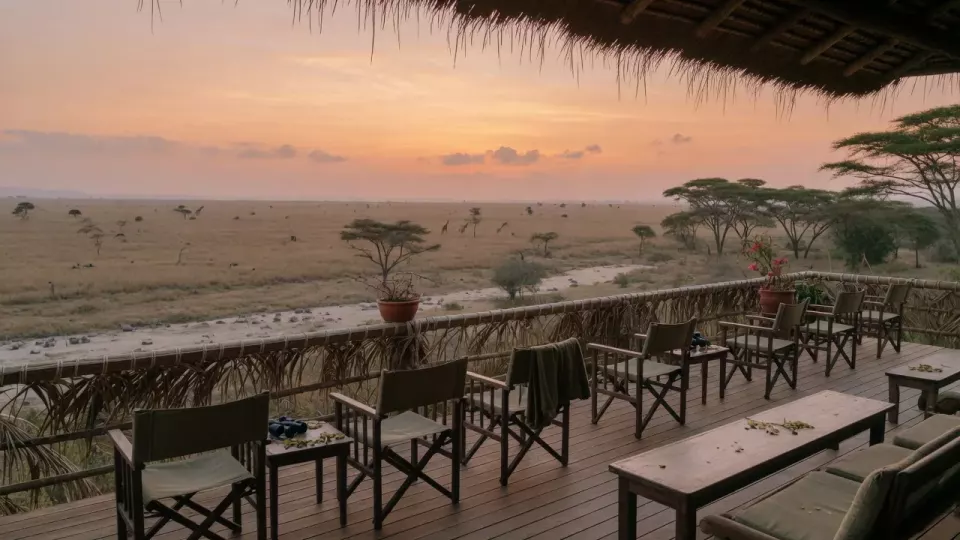
The classic wildlife safari remains Kenya's dominant tourism product and the primary driver of high-value arrivals. The Maasai Mara ecosystem recorded its strongest wildebeest migration season in a decade in 2025, with unusually favourable rainfall patterns — a consequence of the same El Nino cycle that disrupted agricultural production — producing exceptional savanna grass cover that concentrated wildlife and extended the peak viewing season by approximately three weeks relative to historical averages.
Occupancy rates across luxury camp properties in the Mara exceeded 88 per cent during the August-October migration peak, with average nightly rates for premium tented camps rising to USD 1,200-USD 2,800 per person — figures that reflect the premium positioning Kenya's safari operators have pursued as a deliberate strategy to maximise revenue per visitor rather than compete on volume with cheaper destinations. Amboseli National Park, Samburu, Laikipia, and the coastal marine parks also recorded strong seasons, diversifying the geographic spread of visitor spending beyond the traditional Nairobi-Mara corridor.
Beach Tourism and the Mombasa Rebound
Mombasa and the broader Coast Province contributed Ksh 89 billion to the 2025 total, an increase of 31 per cent driven by a return of European charter flight business that had been largely absent since the terrorism-related travel advisories of the mid-2010s. The lifting of residual UK Foreign Commonwealth and Development Office (FCDO) advisory language on specific coastal areas in March 2024 — a decision the tourism industry had lobbied for over several years — proved a material catalyst, with Thomas Cook's German successor operator and TUI Nordic resuming direct charter services to Moi International Airport that brought an estimated 140,000 additional European visitors to the coast in 2025.
The Standard Gauge Railway's expanded service to Mombasa has created a new domestic tourism segment: Nairobi residents taking weekend and mid-week breaks at the coast via a three-hour journey that competes effectively on time with flying, at a fraction of the cost. Kenya Railways reported 1.1 million passengers on the Nairobi-Mombasa passenger SGR service in 2025 — a 38 per cent increase — with KTB research suggesting that over 40 per cent of those passengers were leisure travellers rather than business commuters.
Digital Nomads and the New Tourism Economy
A less-heralded but economically significant segment is the growth of long-stay visitors enabled by Kenya's Digital Nomad Visa, launched in 2024. The visa, which allows remote workers to reside in Kenya for up to one year, has attracted over 18,000 applicants, predominantly from the United States, United Kingdom, and European Union. Average monthly spending by digital nomads is estimated at USD 2,800 — significantly higher than a conventional tourist — and their presence has sustained year-round demand at co-working spaces, serviced apartments, and higher-end restaurants in Nairobi and Diani.
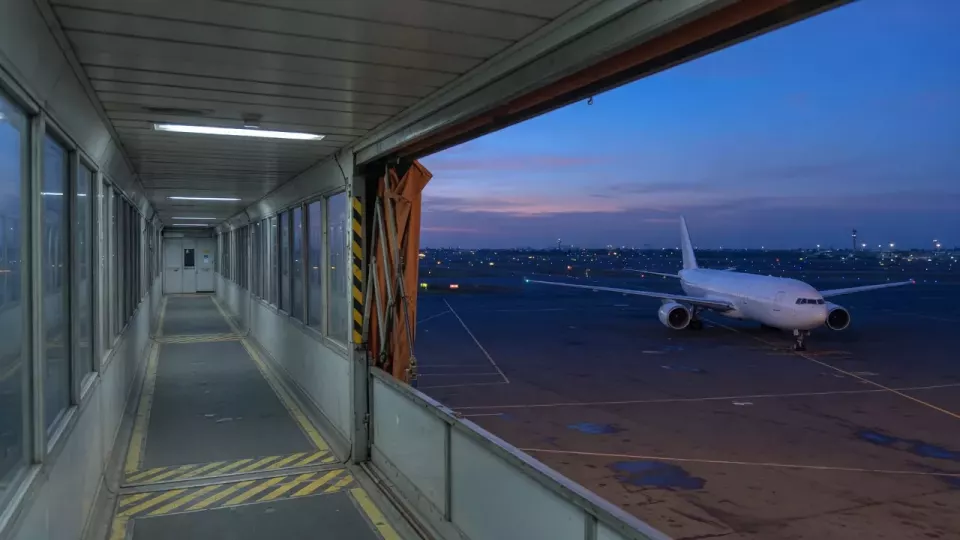
Challenges persist. Infrastructure bottlenecks at JKIA — where terminal congestion during peak season remains a passenger experience concern — and the perennial issue of road access to some national parks require sustained public investment. The government has committed Ksh 14 billion to JKIA expansion works under the 2026/27 development budget, with new international terminal capacity due by mid-2028 — timed to benefit from the anticipated surge in visitors during the Los Angeles Olympics period, when Kenya's athletics programme is expected to generate global media attention and aspirational travel interest. The record 2025 numbers are, by most assessments, a foundation rather than a ceiling.