Kenya Export Promotion Authority Reports 18% Growth in Non-Traditional Exports
Kenya's Export Promotion and Branding Agency (KEPROBA) has released mid-year figures showing an 18% jump in non-traditional exports for the first half of 2026, a performance officials are describing as the strongest in over a decade and a vindication of President William Ruto's Bottom-Up Economic Transformation Agenda.
Total non-traditional export earnings reached Ksh 187 billion between January and June 2026, up from Ksh 158.5 billion over the same period in 2025. The basket spans processed foods, ready-made garments, leather goods, cut flowers, pharmaceutical products, and — tracked as a distinct category for the first time — digital and creative services.
Processed Foods and Textiles Lead the Charge
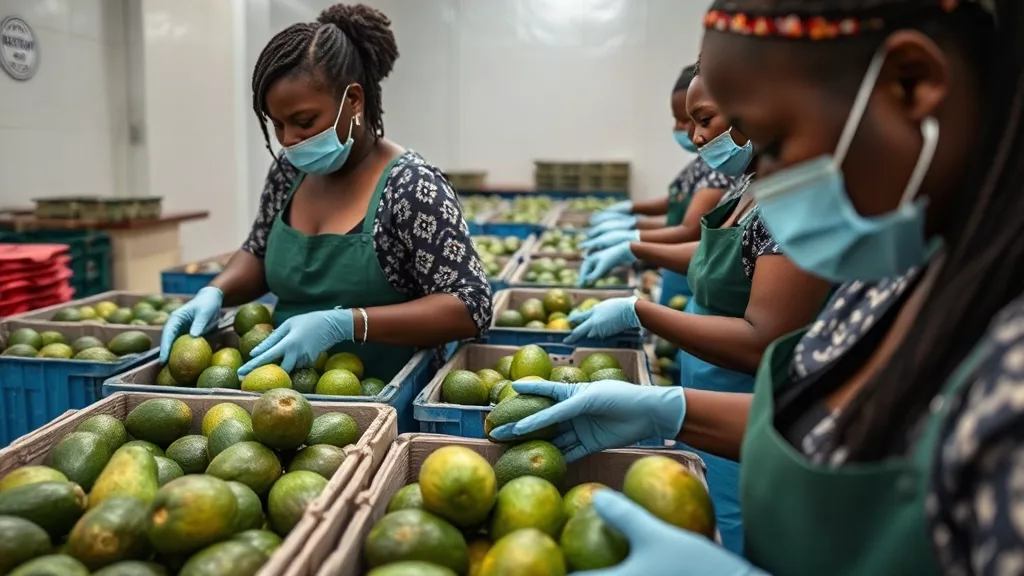
Processed foods posted the steepest single-category increase at 24% year-on-year, as Kenyan manufacturers deepened penetration into the broader East African Community market. Demand from Uganda, Rwanda, and the Democratic Republic of Congo — all increasingly reachable via the Northern Corridor road network and the Standard Gauge Railway — has been particularly robust. The opening of the expanded Kisumu Port berths in early 2026 has trimmed logistics costs for manufacturers supplying the lacustrine corridor, a development KEPROBA director-general Dr Prudence Karimi called "a genuine game-changer for landlocked East Africa."
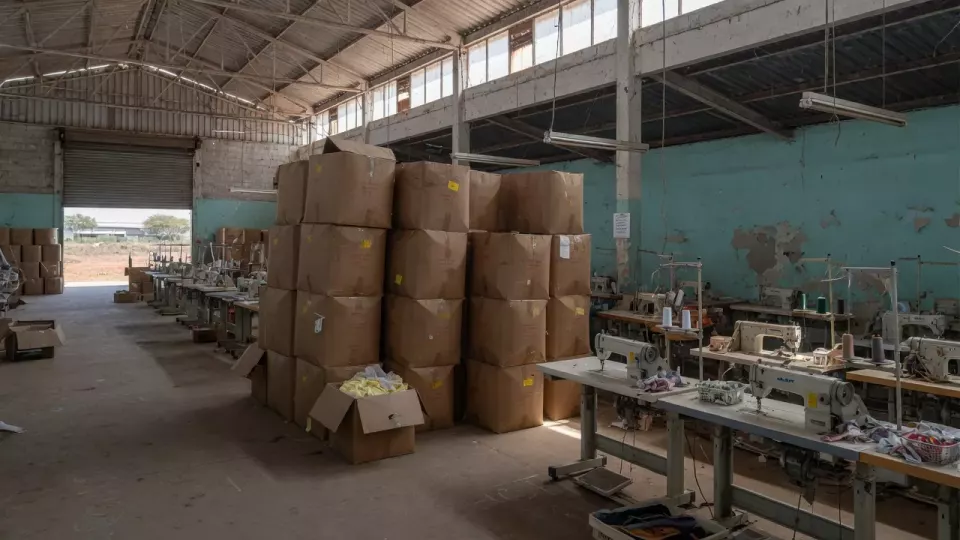
Ready-made garments and textile exports, largely destined for the United States under the African Growth and Opportunity Act (AGOA), grew by 19%. Kenya's apparel manufacturers have benefited from accelerated investment in Export Processing Zones around Nairobi and Athi River, with several new factories coming on stream in the first quarter of 2026. Industry lobby Export Kenya estimates that EPZ employment has topped 62,000 workers, with women making up roughly 70% of the labour force.
Digital Services Emerge as a New Export Frontier
Perhaps the most significant structural shift is the formal recognition of digital and creative services — encompassing software development, business process outsourcing, animation, and online freelance work — as a distinct export category. KEPROBA estimates these services generated Ksh 14.2 billion in foreign exchange in the first six months of the year, a figure that was previously invisible in national trade statistics.
"Kenya's young people are building a services export economy using nothing more than a laptop and a Safaricom 5G connection," Dr Karimi told reporters at the Nairobi Securities Exchange conference room where the data was unveiled. "This is the Gen Z economy in action, and it is exactly what Bottom-Up is designed to nurture." The comment drew applause from an audience that included Cabinet Secretary for Trade and Investment Rebecca Miano and a delegation of Kenya Private Sector Alliance members.
The Kenya Revenue Authority's expanded digital tax regime, introduced under IMF programme conditionalities, has had the paradoxical effect of bringing previously informal digital earnings into the formal economy, improving both tax capture and export statistics. KRA commissioner-general Humphrey Wattanga confirmed that digital service exports now attract a streamlined VAT withholding mechanism that eliminates double-taxation risks for cross-border contracts.
Challenges Remain on the Road to Ksh 400 Billion
Despite the optimistic headline, trade economists have urged caution. The global commodity price environment remains volatile, and Kenya's export growth has been partly flattered by a weaker shilling compared with mid-2024 levels, which inflates the Ksh value of dollar-denominated earnings. The shilling stabilised at around Ksh 129 to the dollar during the first half of 2026, aided by strong remittance inflows and IMF disbursements, but any renewed depreciation could complicate the picture for import-dependent manufacturers.
KEPROBA has set an ambitious full-year target of Ksh 400 billion in non-traditional exports. Achieving that figure would require an acceleration in the second half, which historically tends to be stronger on account of horticultural season cycles and holiday demand for Kenyan consumer goods in the diaspora. With the 2027 general election on the horizon and the Ruto administration keen to demonstrate economic competence, sustaining export momentum will be a political as much as an economic priority.